Or: why the warmest city in our network is also, sometimes, the most confusing one to walk away from empty-handed.
😬 Let's Name the Fear Nobody Admits Out Loud
You're on the Blue Line home after your first event, or scrolling on your couch in Wicker Park or Lincoln Park that same night, checking your phone even though you already know exactly when the results email lands. And it lands. No matches. Not one.
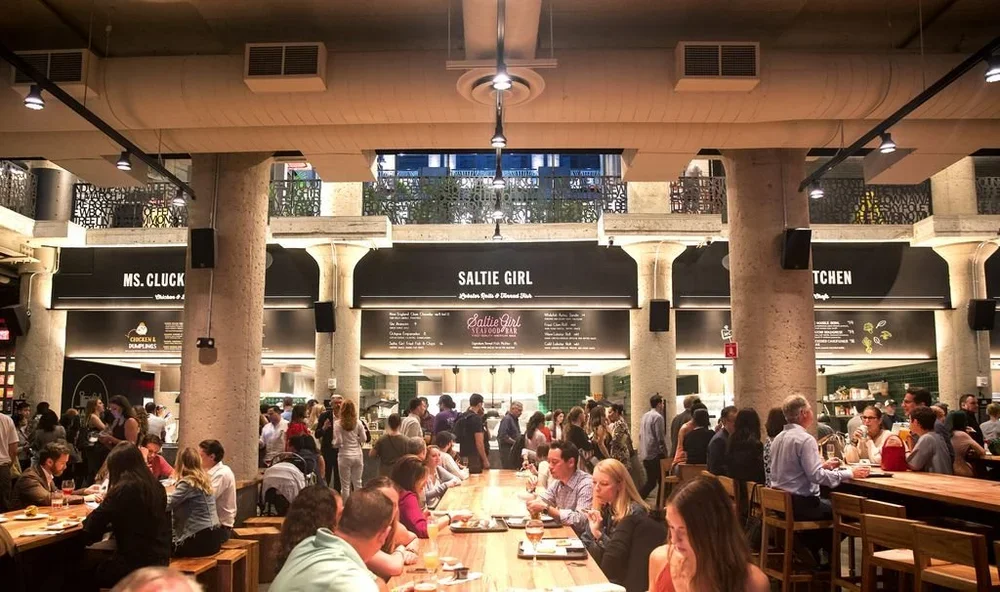
In Chicago, this fear comes with a specific twist. Everyone was warm. Everyone laughed. The whole room felt like the kind of night that turns into people staying an extra two hours after the structured part ends, the way Chicago nights tend to do. So when the results come back empty, it doesn't just feel disappointing. It feels confusing. If it felt that good in the room, how did nobody actually pick you back.
Here's the thing nobody tells you before you go: that fear, the one about coming home to an empty inbox after a night that felt genuinely warm, is the single biggest reason people never book their first event at all. Not the small talk. Not the format. The fear of not being able to trust your own read of a room that felt this friendly.
It's a real fear. It deserves a real answer, not a breezy "don't worry, you'll definitely match." So here's the real one, and in Chicago, the numbers back you up more than you'd expect.
🔒 What Actually Happens When Nobody Matches
Here's the specific, mechanical truth, because you deserve better than vibes, even in a city built on genuinely good ones.
At every MyCheekyDate event, selections happen through the Smart-Card. After each conversation, you privately rate your interest on a five-tier scale. Nobody sees that card except the system. Not the person you talked to. Not the host. Not the other daters in the room. Not us, individually, scrolling through who liked whom.
Only mutual matches are ever revealed. If you selected someone and they didn't select you back, that data point exists nowhere except a private tally that never surfaces. No display. No announcement. No meaningful glance across a River North bar, no follow-up email quietly listing who passed. It's generated and then it goes exactly nowhere, forever.
So if nobody matches with you, here's what happens. You get the same results email everyone gets, a day or two later. If you have matches, they're listed. If you don't, the email just doesn't list any. That's it. Nobody in that room ever finds out, including everyone you talked to that night, even the ones who stuck around after the event officially ended. Nobody but you, and only if you go looking for a feeling that was never given a shape.
Public rejection isn't softened here. It's structurally impossible.
🆚 Two Very Different Kinds of Rejection
If you've dated in Chicago, your nervous system already has a rejection model installed from the apps, even in a city where in-person warmth is genuinely the local baseline.
On an app, rejection is visible, or worse, it's just silence you have to interpret yourself. Someone didn't swipe right, and even if you never learn who, you feel the shape of the absence. It's quantified, tracked in a match rate that can start to feel like a scorecard. It's cumulative, weeks of scrolling compounding into a low hum of "not enough." And it's sometimes public, a right swipe or super like left sitting out in the open for someone else to deal with.
None of that happens here. Non-matching at a MyCheekyDate event is private, known only to a system that never tells a soul. It's single-evening, no running tally following you from Wicker Park to Lincoln Park and back. And it's followed by something apps don't do at all, a real conversation about what comes next, including the chance of being invited back based on who you actually were in the room, not just who happened to select you that night.
📈 What the Chicago Data Actually Shows
Here's the first thing worth knowing: Chicago's mutual match rate is 87%, a full point above our national average of 86%, drawn from 750+ Chicago attendees, our largest city sample anywhere in the network. The average Chicago attendee who matches walks out with 2.7 mutual matches, well above the national average of 2.3.
So the odds, going in, genuinely favor you here.
And if you're in the smaller group that doesn't match the first time, the second-event number is the best story in this whole piece: 81% of Chicago attendees who didn't match at their first event matched at their second. That's four full points above our national average, and one of the strongest second-event numbers anywhere in our 65-city network.
Here's why we think Chicago's second-event number runs this high. Chicago daters trust the process in a specific way. This is a city where going out isn't a plan, it's just Tuesday, and that same low-friction relationship with showing up again seems to carry straight into how people treat a second event. They don't treat one room on one night as a verdict, because nothing in Chicago's social culture treats one night as a verdict. They come back with the same openness they brought the first time, and 81% of them find what they were looking for.
That also means the specific confusion this article opened with, a warm night that still produced zero matches, is not a sign the format failed you. It's a sign that warmth and a top-tier Smart-Card selection are two different things, and Chicago is uniquely good at producing the first one in every single conversation, whether or not it becomes the second.
(Honest caveat, in keeping with how we treat every number we publish: these figures are drawn from 750+ Chicago attendees across River North, the West Loop, Wicker Park, and Lincoln Park events, weighted toward the most recent 24 months. Strong compass for this market, not a guarantee for your specific second night.)
👂 What Our Chicago Hosts Actually See
We asked our Chicago hosts, the ones running rooms at Recess, Tabu, and venues across River North and Wicker Park, what they notice that daters usually can't see about themselves.
The warmth-confusion. This one is specifically Chicago. Hosts describe first-timers, especially transplants from less overtly friendly cities, misreading the baseline warmth of the room as a stronger individual signal than it actually was. Everyone here is genuinely nice. That's not the same as everyone being a match.
The over-explainer. First-timers tend to fill silence that didn't need filling, answering questions with more words than the question asked for, like they're building a case for their own likability.
The half-beat delay. A slight pause before answering, like the response is being checked before it's given. Hosts say it's one of the clearest tells in the room, and it has nothing to do with how interesting the person actually is.
The shift, usually around conversation five or six, though our Chicago hosts note it often arrives earlier here than in most cities. The shoulders drop. The answers get shorter and somehow more real. The laugh sounds like an actual laugh instead of a polite one.
The instant version, in returning attendees. People back for a second event tend to arrive already at that relaxed place, sometimes before the first conversation even starts. Chicago hosts consistently describe returning guests as some of the easiest rooms they run, which lines up with the 81% second-event number in the data.
🔑 The Invite-Back Policy: Earned, Not Automatic
Most speed dating companies have a simple, slightly desperate model for people who didn't match: invite them back automatically, for free, because an empty seat is a lost sale. That is not how we decide who comes back.
The invite-back isn't earned by matching. It's earned by being the kind of person who makes the room better, and in a city this naturally warm, that distinction actually gets harder to spot, which is exactly why our hosts pay close attention to it.
They were warm to everyone, not just who they were hoping to match with. Genuine interest and good humor toward the whole table, the kind that doesn't turn on and off depending on who's sitting across from them.
They stayed present, even in conversations that weren't going anywhere. Our River North and West Loop hosts notice the difference between someone checked out and someone still fully in it, four minutes at a time, even in a city where everyone is pleasant by default.
They made the room easier to be in, in a way that went beyond baseline Chicago friendliness. Our hosts and staff genuinely felt it, the kind of presence that stands out even in a room that's already warm to begin with.
Matching is one way to succeed at a MyCheekyDate event. Showing up fully, warm, present, and genuinely engaged is another. We notice both, even when the whole room makes that harder to isolate.
Sit with why that's different. It means the room improves over time, filled increasingly with people who are there for the right reasons. It means outcome isn't the only currency that matters to us. And it means that if you didn't match at your first event but you were fully yourself in that room, the story isn't over. You already did the thing we actually care about.
🪞 What Not Matching Actually Tells You
Let's be honest about the disappointment first, because skipping past it isn't reframing, it's just avoidance. An empty results email will probably sting a little, even once you understand everything above, especially after a night that felt as genuinely warm as a Chicago event usually does. That's a normal response to putting yourself out there, and it deserves to be felt, not talked out of.
But here's the honest reframe, not the comforting fiction: not matching at your first event is not a verdict on your attractiveness, your personality, or your worth. It's a data point about what happens to almost everyone the first time they walk into an unfamiliar format, managing new mechanics, surrounded by strangers, even in a room that felt friendly the whole way through.
The warmth you felt in that room was real. It just isn't the same measurement as a top-tier Smart-Card selection, and confusing the two is one of the most common, most understandable mix-ups first-timers make here. The second event is where that distinction gets clearer, and where the actual you, not just the pleasant-Tuesday-night version everyone in Chicago defaults to, gets more room to be specific. The 81% isn't a slogan. It's what happens once the difference between general warmth and genuine connection has a second chance to show itself.
💌 Community Over Commerce
Dating apps have a business model that doesn't actually want you to succeed, not fully, not permanently. A satisfied person who deletes the app is a lost user, so the incentive, quietly, is to keep you just dissatisfied enough to keep swiping, even in a city where in-person warmth should make that unnecessary.
That's not our model. We want you to actually meet someone and stop needing us, and the invite-back policy is the proof. We're not optimizing for how many times you show up. We're investing in who you are when you're in the room, because a room full of people who came back relaxed, warm, and ready to actually connect is the best thing we can offer the next person walking in nervous for their first time, wherever from River North to Lincoln Park they're coming from.
If you match this time, the next question is what you say afterward, and we've already covered that, in our piece on the post-date text. If you don't, the honest version is this: the window isn't closed, the stakes are lower than they feel tonight, and in a city with the best second-event improvement rate in our network outside of one or two others, the odds were already on your side.
💛 One Last Cheeky Thought, Chicago Edition
Nobody wants to hear that their first event might come back empty, especially after a night that felt as good in the room as Chicago nights usually do.
But the number says otherwise more often here than in most cities we run this format. 87% mutual match rate. 2.7 average matches per event. An 81% second-event improvement rate, four points above our national average, built from our largest city sample anywhere in the network.
Chicago's warmth is real, and it's also not the whole story the Smart-Card is measuring. The whole room can be genuinely lovely and you can still walk out with an empty inbox once. That's not a contradiction. It's just what happens before the format gets a second chance to be specific instead of general.
You don't need a flawless first evening to end up somewhere good. You need one evening, honestly shown up to, and a second one after it if the first doesn't land. Which, in a city that treats going out as just Tuesday, has never been a hard ask.
MyCheekyDate has hosted verified speed dating events in Chicago since 2008, part of 26,000+ verified events across 65+ cities worldwide over the last 10 years alone. If you're ready to find out what your own Smart-Card results look like, start here: mycheekydate.com/speed-dating-chicago.
📊 A Note on Methodology National baseline figures (86% mutual match rate | 2.3 average matches per event | 77% second-event improvement) reflect the full Smart-Card dataset across all markets, weighted toward the most recent 24 months where sample size allows. Chicago figures (87% mutual match rate | 2.7 average matches per event | 81% second-event improvement) reflect Smart-Card interaction data from 750+ Chicago attendees across events in River North, the West Loop, Wicker Park, and Lincoln Park, weighted toward the most recent 24 months. This represents the largest city-specific attendee sample in our current analysis series. MyCheekyDate has hosted verified speed dating events in Chicago since 2008. The 26,000+ verified events referenced throughout this piece were run globally across 65+ cities in the last 10 years alone, over 19 years of operation since founding. Full Smart-Card methodology available at mycheekydate.com/smart-card.