I Told My Guests to Let AI Plan Their Dates. Here's What Happened.

I Told My Guests to Let AI Plan Their Dates. Here's What Happened.

A confession from Rebecca, MyCheekyDate host, New York City

I've been hosting speed dating events in New York for long enough to have seen basically everything.

The man who showed up with a spreadsheet of conversation topics. The woman who admitted, mid-event, that she'd memorized everyone's LinkedIn profiles beforehand. The person who arrived forty minutes early, took a corner seat, and nursed a sparkling water with the focused calm of someone preparing for a congressional hearing.

New York daters are a special breed. They are smart, self-aware, wildly over-prepared, and somehow simultaneously terrified of a four-minute conversation.

I love them for it.

So when I started noticing something new — a particular kind of rehearsed opener, a suspiciously identical set of questions, a follow-up text cadence that felt less spontaneous and more calculated — I got curious.

I started asking.

Turns out: AI.

A lot of my guests have been outsourcing their dating decisions to AI. Not just a little. Like, a lot a lot.

So I did what any responsible host would do.

I ran the experiment myself.

🤖 One Week. Full Delegation.

I want to be clear: I did not do this because I needed dating advice. I'm a speed dating host. I have opinions about dating that could fill a small, slightly chaotic book.

I did it because my guests were doing it and I wanted to understand what they were experiencing.

So for one week, every dating-adjacent decision went through AI. What to recommend to a guest. How to open an event. What questions to suggest when someone asked me, "Rebecca, what do I even say to someone in four minutes?"

And then, because I couldn't help myself, I told a handful of guests what I was doing and asked them to try it too. Let AI plan the date. Ask AI for the opener. Let the algorithm weigh in.

Then come back and tell me what happened.

They did.

Here's what we found.

📍 The Venue Problem

AI is very good at recommending venues.

Genuinely. Ask it for a first-date cocktail bar in Manhattan and it will give you a structured, well-reasoned shortlist with star ratings, atmosphere notes, optimal arrival windows, and a suggestion about corner tables for "perceived intimacy."

One of my guests followed the advice exactly. 4.8 stars. Warm lighting. Great reviews consistently praising the date-night atmosphere.

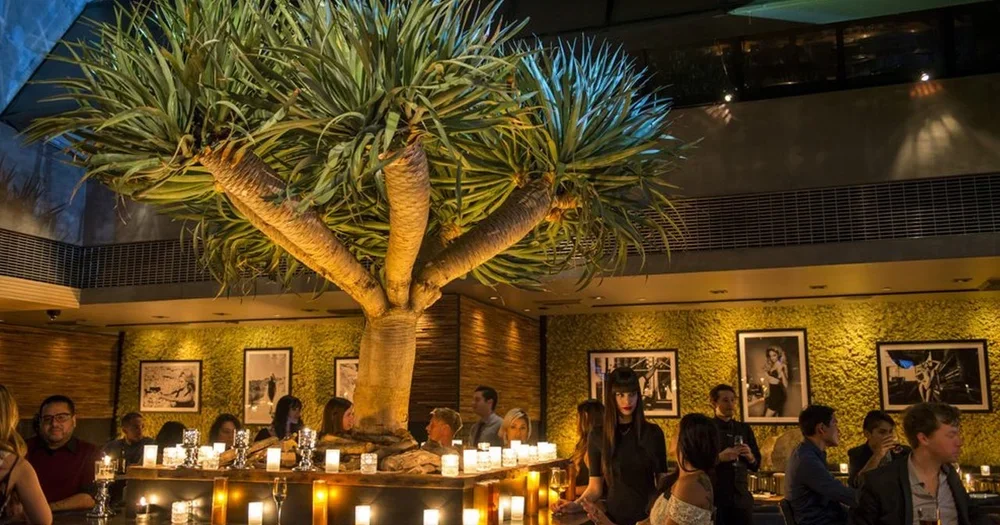
She walked in and immediately recognized two other people from previous MyCheekyDate events, on first dates of their own, at the AI-recommended tables, asking the AI-recommended questions.

She texted me from the bathroom: "Rebecca. We are all at the same bar."

This is the thing about a truly optimized venue. Everyone optimizes toward it. And suddenly the most algorithmically perfect date location in lower Manhattan feels less like a romantic discovery and more like a convention for people who asked the same chatbot for advice.

She stayed. The date was fine. Nothing sparked.

She came back to the next event two weeks later and matched with someone she met in the first four minutes. No AI involved. Just her, being herself, slightly jetlagged from a work trip, in a venue I had chosen because I have hosted there twenty times and I know the energy works.

That one has had three dates since.

💬 The Question That Gave Itself Away

I want to talk about the questions, because this is the part that fascinates me most as a host.

AI gives good first-date questions. I'll admit it. "What's something you've been genuinely excited about lately?" is a solid opener. It's open-ended. It invites a real answer. It signals curiosity.

It has also now been on enough "best first date questions" lists that a certain type of New York dater spots it immediately.

I watched this happen in real time at one of my events.

A guest — sharp, funny, works in finance — opened with it. The person across from him paused, smiled, and said: "Oh, that's a good one. ChatGPT?"

He laughed. She laughed. He said yes. She said she'd had the exact same question queued up on her phone.

Here's the thing though.

That moment — the mutual recognition, the shared laugh, the "we both showed up over-prepared and we both know it" — was the best thing that happened at that table all evening. Completely unscripted. Completely human. Absolutely not in the AI's plan.

They matched.

Of course they did.

📱 The Text That Nobody Sent

After the event, I asked guests who'd been running the AI experiment to show me the texts AI had drafted for them.

Every single one had a placeholder.

"Hey [name], I had a really good time. [Reference a specific moment from the conversation]. Would love to do it again."

Square brackets. A field where a human being was supposed to go.

And here's what I noticed: most people filled in the bracket with something perfectly adequate. A shared topic. A thing they'd discussed. A polite callback.

Almost nobody filled it in with the thing that actually mattered. The laugh that caught them off guard. The weird tangent about the subway. The accidental honesty that happened in minute three when the conversation stopped being performative and started being real.

Because AI doesn't know about minute three. AI wasn't there.

I was.

And I can tell you: minute three is where it happens. Every time.

🧠 What AI Actually Understands About Dating

More than you'd expect, honestly.

It understands that first impressions matter. That questions should be open-ended. That follow-up timing signals interest without desperation. That venues affect energy. That consistency builds trust.

All of that is correct. All of that is useful.

If you want a checklist for not making obvious mistakes on a first date, AI will give you an excellent checklist.

What it cannot give you is the instinct for when to abandon the checklist.

And in New York? Abandoning the checklist is basically the whole skill.

New Yorkers can smell a script. They've been on too many dates, talked to too many people, been through too many carefully optimized evenings that went nowhere. What they respond to — what I watch them respond to, every single event — is the moment when someone stops performing and just talks.

The slightly weird observation. The unexpected laugh. The opinion they weren't sure they should share.

That's what gets the match.

Not the optimized opener. Not the 4.7-star venue. Not the text sent at the statistically optimal 22-hour mark.

The moment when you forget the plan.

😏 What I Tell My Guests Now

I still get asked, constantly, "Rebecca, how do I do better at this?"

And I have a new answer.

Stop optimizing the wrong things.

You don't need a better opener. You need to be less nervous so the opener doesn't matter. You don't need a better venue. You need to relax enough to actually enjoy the one you're in. You don't need AI to tell you when to text back. You need to want to talk to this person enough that the timing takes care of itself.

AI can build you a very impressive scaffolding around a date.

It cannot build the date.

That part is still embarrassingly, stubbornly, wonderfully yours.

🥂 The Part That Gets Me Every Time

Last month, toward the end of an event, I watched a conversation happen between two people who had clearly both arrived over-prepared. You could tell. The questions were a little too smooth. The energy was a little too managed.

And then, around minute three, something shifted.

She said something slightly too honest. He laughed in a way that wasn't curated. The whole energy changed — looser, warmer, more real. By the end of the four minutes, neither of them was following a script anymore.

They matched. Obviously.

Afterward, she came to find me. She said: "I had the whole thing planned out. Questions, what to say, what not to say. I threw all of it out by the second minute."

I told her that was the best thing she could have done.

She asked why.

I said: because the plan is just there to get you in the room. Once you're in the room, you don't need it anymore.

The plan got you here. The rest is human.

Rebecca hosts MyCheekyDate events across New York City. Full disclosure: AI was used in this article. It proofread, suggested three synonyms for "chemistry," and recommended she "consider a warmer closing tone." She ignored all of it except the spelling.

Find a NYC event → mycheekydate.com/speed-dating-new-york-city
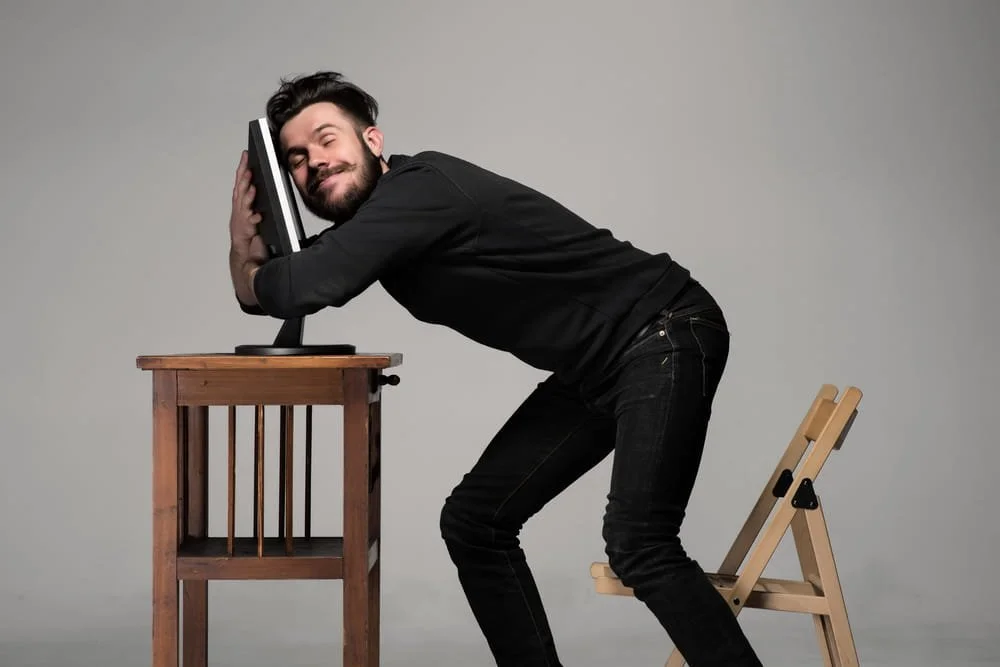
Before the First Date, We Already Know Too Much

Before the First Date, We Already Know Too Much

The mystery phase of dating didn’t disappear. We quietly researched it to death.

🔎 Remember When You Had Questions?

There was a time when a first date came with a little suspense.

You sat across from someone and learned things in real time. Where they grew up. What they did for work. Whether they were funny on purpose or accidentally. Whether “I love travel” meant Paris, Patagonia, or one suspiciously over-posted weekend in Miami.

Now, before the date has even happened, we have often done a light background check with the emotional intensity of someone preparing for a congressional hearing.

Not because we’re nosy, obviously.

We’re just being informed.

Very informed.

📱 The Innocent Little Scroll

It usually starts with one harmless search.

Then Instagram appears. Then LinkedIn. Then a tagged photo from 2019. Then someone’s friend’s wedding album. Then suddenly you know their dog’s name, their preferred vacation face, and that they went through a hat phase during the pandemic.

By the time you meet for drinks, you’re not discovering their life story.

You’re politely waiting for them to confirm the research.

🥂 The First Date Has Become a Fact-Check

The modern first date has a strange little rhythm now.

They say, “I used to live in Chicago,” and you nod like this is brand-new information, even though you already saw the rooftop photo from West Loop.

They mention their sister, and you pretend not to know she got married at a vineyard.

They say they love hiking, and you resist the urge to say, “Yes, I gathered.”

This is the delicate art of modern dating: knowing too much while acting like a normal person.

❤️ But Chemistry Still Refuses to Be Researched

Here’s the cheeky little truth.

You can find someone’s job title, vacation history, profile photos, social circle, and public opinions on espresso martinis. You still cannot know whether you’ll have chemistry.

That part remains irritatingly offline.

You can’t Google how someone makes you feel. You can’t search whether they’ll make you laugh. You can’t pre-screen the tiny, human things that make a date work: eye contact, ease, timing, charm, kindness, the way conversation either opens up or quietly dies next to the bread basket.

And thank goodness.

Because if dating becomes completely predictable, we may as well let everyone’s calendars marry each other.

😏 A Little Mystery Wouldn’t Hurt Us

Maybe the problem isn’t that we research.

A quick look is understandable. We are modern people with phones and trust issues.

The problem is when we remove every bit of curiosity before the person has had a chance to be a person.

A first date should not feel like a live interview with supporting documents.

It should still have room for surprise.

For the story you didn’t see coming.

For the laugh you couldn’t have predicted.

For the moment when someone becomes more interesting than their online evidence suggested.

✨ One Last Cheeky Thought

Knowing a little is sensible.

Knowing their aunt’s brunch venue from three summers ago may be a cry for fresh air.

So perhaps the next time you’re tempted to scroll yourself into a full psychological profile, stop just a little earlier.

Leave one or two things unknown.

After all, the whole point of a first date is to find out.

And if that sounds dangerously old-fashioned?

Lovely. We’re bringing mystery back.

Why Dating Got So Expensive (And So Much Worse)

Why Dating Got So Expensive (And So Much Worse)

🏭 Loneliness Is Now a Growth Industry

Somewhere along the way, being single stopped being a personal situation and became a business opportunity.

A very large one.

The global dating app market has evolved into a $12.5 billion industry in 2026, supported by more than 350 million active users. That figure doesn't include relationship coaching, therapy, self-improvement courses, dating consultants, matchmaking services, or the quietly booming AI companion market. The AI companion market alone hit $37 billion in 2025 and is projected to reach $552 billion by 2035. Players TimeAI Companion Guides

To put that in perspective: the entire global video game industry was worth about $187 billion in 2025. The loneliness economy is on track to nearly triple it.

People are not just single. People are being monetised for being single.

And somewhere in the middle of all this, a question worth asking:

Is any of it actually working?

📱 How We Got Here: The Swipe That Launched a Thousand Subscriptions

Tinder launched in 2012 with an elegantly simple premise: look at a photo, swipe right if interested, swipe left if not. Democratic. Fast. Free.

Then came Tinder Plus. Then Tinder Gold. Then Tinder Platinum.

And then, in late 2023, Tinder launched an ultra-premium subscription tier called Tinder Select, charging $499 per month — or $6,000 a year — for exclusive search, matching, and VIP conversation features. Fortune

The membership is invite-only, available to less than 1% of users, to "ensure you receive the most exclusive experience possible." KTLA 5 News

Let that breathe for a moment.

The app that built an empire on unlimited, equal-access swiping — the great romantic democracy of the smartphone era — now charges six thousand dollars a year to be seen by the right people. A small badge on your profile confirms your VIP status, just in case the $500 monthly debit wasn't confirmation enough.

The internet reacted as one might expect. "Did you forget a decimal?" "Costs more than my monthly car payment." And, most devastatingly: "Now you can be lonely AND poor."

But underneath the jokes is something genuinely worth noting. This is not an app that is thriving deciding to add a luxury tier. Tinder had its first ever annual revenue decline in 2025, dropping 5.2%. It had 8.9 million subscribers, down from a peak of 10.9 million in 2022. Monthly active users fell 9% year-over-year in Q1 2025. Business of Appssec

Tinder Select is not a flex. It's a distress signal dressed in a tuxedo.

🪤 The Trap Inside the Funnel

Here's how the economics of the loneliness industry actually work, and why they are structurally fascinating in a slightly unsettling way.

Dating apps do not benefit from you finding love quickly. A successful match — genuine, lasting, off-platform — is a churned subscriber. The business model is quietly misaligned with its stated purpose from day one.

So the incentive, conscious or not, is to keep you engaged. Keep you swiping. Keep you almost there. Tantalizingly close. Optimistic enough to upgrade. Frustrated enough to stay.

Studies suggest the average paying user now spends around $19 per month on subscriptions and premium features — a figure that rises sharply for singles juggling multiple apps simultaneously in the hope of improving their chances. Players Time

Add the actual dates to that. The average all-in cost of a date in the US has climbed to $189, up 12.5% from $168 a year earlier. Daters now spend an average of $2,323 a year going out, even as they go on fewer dates — about 12 in the past year, down from roughly 14 in 2025. Fortune

Then the coaching. The apps. The premium features. The matchmaking consultations. The self-improvement content marketed specifically at singles. The therapy for "attachment styles." The courses on "high-value dating."

As one industry analysis put it bluntly: the industry monetised desperation — loneliness creates perpetual customers pursuing any accessible connection source. InsightTrendsWorld

It's not a conspiracy. It's just an incentive structure. But it's worth seeing it clearly.

😮 The Numbers That Should Embarrass Everyone

If the loneliness economy were working — if $12.5 billion worth of dating infrastructure were genuinely solving the problem it claims to solve — you'd expect people to be going on more dates. Feeling more connected. Finding love more efficiently.

The data says the opposite.

A 2025 study by DatingNews and the Kinsey Institute found that American singles averaged fewer than two in-person dates in the preceding year, while almost half of all single men and a third of single women had not gone on any dates at all. Quillette

Nearly half (47%) of singles in the US say dating is no longer financially worth it. And 86% say money concerns have forced them to delay dating or reenter the dating pool. Newsweek

Nearly 4 in 5 users report feeling burned out from dating apps — citing failure to connect, disappointment, and rejection as the main reasons. aol

So: more money being spent on dating. Fewer actual dates happening. Less connection being made. More burnout being reported.

This is the industry's report card. It is not good.

🎭 The Subscription Ladder to Nowhere

What Tinder Select reveals — and what the whole industry quietly confirms — is that the response to declining connection has been to add more tiers, not fix the underlying experience.

Can't find love on the free tier? Pay $7.99. Still no luck? Try $24.99. Still circling? $29.99. Still nothing meaningful happening? Perhaps what you need is a $499-a-month badge and the ability to message people who already swiped left on you.

At each step, the promise is the same: this time, with a little more money, it'll work.

It's the oldest trick in consumer psychology — the velvet rope. The idea that the problem isn't the product, it's your access level. That the right connection is just one more upgrade away.

As debates over the true value of digital dating intensify, the boundary between finding love and financing an algorithm has grown ever more indistinct. Players Time

🌀 The Exhaustion Is the Product

There's a theory, not entirely unfair, that modern dating culture has become less about connection and more about management.

Managing your profile. Managing your perceived availability. Managing your attachment style. Managing your "energy." Managing your responses so you don't seem too keen or too cold or too much. Managing your budget so you can afford the dates you're not quite going on.

What used to be spontaneous connection has turned into curated intimacy — and access to it increasingly comes with a monthly fee. Ayerhs Magazine

The irony is almost elegant: the more sophisticated the tools for finding connection become, the more exhausted people are by the search.

And that exhaustion, too, is monetisable. Enter: the therapy app. The boundaries coach. The attachment style course. The podcast about why dating is hard. The subscription community for people who are "taking a break from dating."

There is genuinely no stage of romantic suffering that does not now have a product attached to it.

🚪 The Exit That Isn't Being Sold to You

Here's the thing nobody in the loneliness economy particularly wants you to notice.

The antidote to all of this isn't a better algorithm, a higher subscription tier, or an AI companion learning your love language at $47 a month.

It's a room. A real one. With real people in it.

In the UK alone, 1.4 million people left dating apps between 2023 and 2024, gravitating toward solutions that champion real, in-person connection. They're not retreating from dating. They're retreating from the industry that grew up around dating — and quietly rediscovering that meeting people in person cuts through most of what makes digital dating exhausting. Befriend

No profile to optimise. No subscription tier to weigh up. No wondering whether someone's photos are from 2019 or their dental appointment is actually a soft cancel.

Just people. In a room. Finding out quickly whether something is there.

It doesn't solve everything. But it sidesteps an enormous amount of the infrastructure that has been built — very lucratively — around the problem it claims to fix.

😏 The Cheeky Conclusion

The loneliness economy is real, it's enormous, and it is growing faster than almost any other sector on earth.

Some of it is genuinely useful. Some of it is good business solving real human problems.

And some of it — the $499 monthly badge, the seventh premium tier, the AI companion projected to be worth more than the video game industry — is a system that has quietly stopped asking whether it's actually helping anyone, because the question turns out to be bad for revenue.

Dating doesn't need to be a $12.5 billion industry to work.

It needs a good room, a little courage, and four unscripted minutes with someone who makes you forget to check your phone.

MyCheekyDate has been putting people in good rooms across 65+ cities since 2007. No subscription tiers. No badge upgrades. No algorithmic profiling of your deepest romantic anxieties. Just real events, real people, and the radical act of meeting someone in person. Find your city and see what happens.

Read the Room, Bumble.

Read the Room, Bumble.

💛 Let’s Start Here

Let’s start here: any platform, app, site, event, or slightly chaotic digital invention that helps people genuinely connect can be a wonderful thing.

Truly.

If two people meet, fall in love, adopt a dog, argue over throw pillows, and eventually become one of those couples who says “we just knew,” we support it. Apps, websites, introductions, events, friends-of-friends, accidentally making eye contact over overpriced oat milk. Connection is connection.

But.

Dating apps spent the last decade convincing us that romance should function like online shopping with emotional consequences, and now even they seem to be wondering if perhaps the whole thing got a bit out of hand.

Swipe left. Swipe right. Maybe fall in love. Maybe develop avoidant attachment and mild carpal tunnel.

And now, after years of feeding singles an endless conveyor belt of strangers, Bumble has announced it is phasing out the swipe and introducing AI-assisted matchmaking instead.

Which is… a moment.

Because it feels less like a confident innovation launch and more like the apps quietly staring into the mirror and realizing:

“Oh no. We may have emotionally exhausted everyone.”

📉 The Numbers Don’t Lie — And They Are Not Pretty

Before we get philosophical, let’s look at what actually happened.

Bumble’s paying user base fell 21.1% year-over-year in Q1 2026, dropping from 4 million to 3.2 million users. Revenue fell 14.1% to $212.4 million in the same quarter. The company’s stock had lost roughly half its value over the prior year before a brief rebound on hopes tied to its AI-driven redesign.

Bumble’s CEO Whitney Wolfe Herd, who returned to lead the company in March 2025, has called the decline a “deliberate reset” focused on quality over quantity.

Which is a beautifully confident way to describe your entire business model quietly catching fire.

The industry-wide picture is equally sobering. A 2024 Forbes Health survey found that 79% of Gen Z users reported fatigue with dating apps, citing time spent without meaningful results. Mobile analytics firm AppsFlyer found that 65% of dating apps downloaded in 2024 were deleted within a month, a figure that climbed to 69% in 2025. In the UK, Tinder, Hinge, and Bumble lost a combined 1.1 million users between May 2023 and May 2024. Match Group, which owns Tinder and Hinge, saw paying subscribers fall to 14.2 million in Q1 2025, down 5% year-over-year and marking the fifth consecutive quarter of payer decline.

You do not remove the core mechanic your entire industry was built on unless something is deeply off.

💅 The Swipe Era Started Cute

To be fair, swiping originally felt revolutionary. Fast, easy, addictive in a fun little “maybe my soulmate is two thumb movements away” kind of way.

But somewhere along the line, dating apps stopped feeling like introductions and started feeling like inventory management. People became products. Conversations became auditions. Attraction became sorting.

Singles were suddenly expected to evaluate hundreds of strangers based on six photos, one travel picture, a prompt about tacos, and a bio that said, “Fluent in sarcasm 😏.”

At some point, the entire thing became spiritually identical to scrolling Netflix for 45 minutes before giving up and rewatching The Office.

And honestly? The apps know it.

🤖 So Now AI Wants to Help

Under Bumble’s new direction, an AI assistant called “Bee” will guide matchmaking by learning more about users: their personalities, interests, preferences, and behavior patterns.

Which sounds helpful.

It also sounds slightly like surrender.

Because the message underneath all this is hard to ignore: “We gave everyone unlimited choice and now nobody knows how to connect anymore.”

So the apps are moving toward something more curated. Less endless browsing. More algorithmic steering.

And look, in theory, AI could become very good at this.

Terrifyingly good.

It likely already understands who you pause on, who you message, who you ignore, what type of humor keeps your attention, what personality patterns repeatedly attract you, and which emotionally unavailable man named Matt continues slipping past your frontal lobe despite years of evidence.

That is where this gets both impressive and deeply unsettling.

Because dating apps are no longer just showing you people.

They are beginning to interpret you.

Which is comforting, because if there’s one thing modern singles wanted, it was to feel spiritually profiled by a robot.

🚨 Read the Room, Bumble.

Here is the part that feels oddly mistimed: people are not exactly emotionally relaxed about AI right now.

A June 2025 Pew Research survey found that 52% of Americans say the increased use of AI in daily life makes them feel more concerned than excited, a figure that has risen significantly since 2021, when 37% felt that way. Only 10% say they are more excited than concerned.

The trust gap is equally striking. A December 2025 YouGov survey found that while 35% of Americans use AI at least weekly, only 5% trust it deeply. A separate 2025 global study across 47 countries by the University of Melbourne and KPMG found that although 66% of people use AI with some regularity, less than half, 46%, are willing to trust it. A 2026 Malwarebytes survey found that 90% of respondents were worried about how much personal data AI collects and what it does with it.

And it is not just abstract anxiety. People are connecting AI to tangible, everyday consequences.

A November 2025 Consumer Reports survey of 2,146 U.S. adults found that 78% are somewhat or very concerned that the data centers being built across the country will raise their energy bills. A recent Gallup survey found that 70% of Americans oppose data centers being built near their homes and communities, a massive jump from the 47% who felt that way in late 2025. Opposition is now so intense that many respondents would reportedly rather live near a nuclear power plant than a data center.

In 2025 alone, local opposition to AI data centers led to the delay or cancellation of projects totaling $156 billion. U.S. data centers used 17 billion gallons of water in 2023 to cool energy-intensive AI chips, and demand is projected to nearly double by 2028.

These are not abstract technology debates. They are community fights, utility battles, and rising electricity bills landing in real mailboxes.

Data centers are constantly in the news. Communities are fighting over energy use, environmental strain, water consumption, and the feeling that giant technology systems are expanding faster than society can emotionally process them.

There is real resistance happening. Not just political resistance. Emotional resistance.

People already feel overwhelmed by technology. Over-surveilled. Over-optimized. Over-processed.

And now dating apps are essentially saying, “What if we inserted AI directly into your love life too?”

Read the room, Bumble.

A lot of singles are already exhausted by feeling filtered, ranked, categorized, and psychologically analyzed everywhere else online. The last thing many people want is to feel like their romantic future is also being quietly processed by a giant prediction engine humming away inside a warehouse-sized server farm that their neighbors are trying to block at the zoning board.

Even if the technology works, people are still allowed to ask: do we actually want this?

Because those are two different conversations.

🧠 The Strange Fantasy of “Perfect Matching”

There is also something oddly revealing about this shift.

For years, dating apps sold people endless freedom: more choice, more options, more access, more people.

Now the new promise is: “Actually… maybe you should let the machine narrow things down for you.”

Which is fascinating because it quietly admits something enormous.

Too much choice may have made dating worse. Or at the very least, significantly more unhinged.

People became overwhelmed. Attention spans collapsed. Everyone developed “there might be someone slightly better one swipe away” syndrome.

And now AI arrives like an exhausted middle manager walking into a chaotic office saying, “Okay. Nobody touch anything. We’ll sort this out before Chad starts another situationship.”

The problem is that attraction is not fully sortable.

The people we fall for often make absolutely no sense on paper. Sometimes the profile is average and the chemistry is electric. Sometimes the profile is perfect and the conversation feels like filing taxes beside a ring light.

Human beings are inconvenient like that.

And thank God for it.

✨ The Risk of Optimizing the Humanity Out of Dating

The more dating becomes data-driven, the more we risk removing the very thing people are actually searching for: surprise.

The unexpected laugh. The weirdly easy conversation. The person who is completely different in motion than they were online. The chemistry that arrives for reasons no algorithm could fully explain.

That is the danger of over-optimization.

Compatibility matters, obviously. Shared values matter. Lifestyle alignment matters. But attraction also contains randomness, timing, energy, and presence.

And those things become harder to quantify the more dating turns into predictive software.

At some point, people may quietly start craving something less engineered.

Not anti-technology.

Just less processed.

🍸 Which Is Why Real-Life Dating Suddenly Feels Weirdly Radical Again

This is partly why in-person dating is quietly making a comeback.

Not because people want to live in 1997 again. Not because technology is evil. But because real-life interaction still contains mystery.

You meet someone. You feel the energy immediately. They are warmer than expected. Funnier than expected. More attractive than their photos.

Or maybe they are not.

But at least the experience belongs to you.

Not to a recommendation engine.

That may be part of why structured, in-person dating experiences feel newly relevant. People are not necessarily rejecting technology. Most of us would emotionally collapse without Google Maps. But they are questioning whether every part of life needs to be filtered through prediction software before it becomes real.

At MyCheekyDate events, people are not being endlessly sorted through swipe behavior, engagement metrics, or AI-generated compatibility assumptions before they ever speak. They simply sit down, have a conversation, and see what happens.

And honestly? That increasingly feels like a luxury.

A very 2026 luxury, apparently: meeting someone before a robot forms an opinion about them.

At MyCheekyDate, we have always believed technology should support connection, not replace it. That is exactly why our Smart-Card system was designed around what happens after two people meet face-to-face, not before.

Guests still experience chemistry the old-fashioned way: sitting across from someone, laughing unexpectedly, noticing their timing, their energy, their presence, and realizing a person can feel completely different in real life than they ever would on a screen.

The Smart-Card simply helps organize mutual matches privately and thoughtfully after the human part has already happened.

And that distinction suddenly feels very important.

There is a difference between using technology to support human connection and asking technology to entirely orchestrate it.

💬 Maybe People Just Want to Feel Something Real Again

The strange irony in all of this is that the more optimized dating becomes, the more people seem to crave things that feel unoptimized.

Real conversation. Real unpredictability. Real chemistry. Real presence.

Not every part of human life needs to become frictionless.

Especially romance.

Sometimes the awkwardness is the point. Sometimes the surprise is the point. Sometimes the fact that attraction cannot be perfectly explained is exactly what makes it meaningful.

So yes, maybe AI will become remarkably good at matchmaking. Maybe it will save people time. Maybe it will reduce swipe fatigue. Maybe it will even help some people find love.

We hope it does.

But people are still allowed to look at all this and say:

“Okay… but maybe I’d still like to meet someone without a robot quietly analyzing my behavioral patterns first.”

And honestly?

Wanting at least some part of your love life to remain gloriously human, unpredictable, awkward, exciting, slightly chaotic, and free from algorithmic supervision feels like a pretty reasonable response.

Because maybe the future of dating is not choosing between technology and humanity.

Maybe it is remembering which one is supposed to come first.

Is Speed Dating Worth It in 2026? Here's What Our Smart-Card Data Actually Showed.

Is Speed Dating Worth It in 2026? Here's What Our Smart-Card Data Actually Showed.

By The MyCheekyDate Team | Based on Smart-Card data from 1,026 attendees across 35 cities

There's a very specific kind of exhaustion happening in dating right now.

You can feel it in the group chats. In the sighs over brunch. In the way people describe their dating lives with the energy of someone reading terms and conditions they've already agreed to.

The apps are still there. The profiles are still optimized. The bios still mention loving travel, good coffee, and "someone who doesn't take themselves too seriously" written, apparently, by people who take their dating profiles extremely seriously.

And yet.

Everybody says they want connection. Actually finding it feels like a different project entirely.

Which is probably why so many singles have quietly started drifting back toward something that felt almost extinct for a while:

Meeting in person.

And with that shift has come one question we hear constantly:

Is speed dating actually worth it anymore?

Honestly? We thought it would be interesting to answer that question with something most dating advice articles don't have:

Actual behavioral data from real-world dating interactions.

Not surveys. Not questionnaires. Not "what people claim they want on a Tuesday when they're feeling optimistic."

Real decisions. Made after real face-to-face conversations. By real humans who had already put on real pants and left their apartments.

Over the last several months, MyCheekyDate analyzed interaction patterns from 1,026 attendees across 35 cities using our proprietary Smart-Card matching system, our smartphone-based technology designed specifically for live dating events.

What we found surprised even us.

And we run these events for a living.

The Numbers First. Then the Story.

86% of attendees received at least one mutual match.

Let that land for a moment.

In a world where app users routinely spend weeks, sometimes months, swiping with the enthusiasm of someone completing a chore, 86 out of every 100 people who attended a MyCheekyDate event left with at least one real, mutual connection.

Not a one-sided like. Not a profile view. Not a message that begins with "hey" and ends with a three-week silence.

A mutual match. Where both people independently chose each other after a real face-to-face conversation.

The average attendee received 2.3 mutual matches per event.

Meaning the typical guest didn't just scrape by with one polite connection. They left with multiple people who genuinely wanted to see them again. Which, in the current dating climate, feels practically miraculous.

And perhaps the most striking number of all:

77% of guests who received zero matches at their first event received at least one mutual match at their second.

Read that again slowly.

Three out of four people who walked away from their first event thinking "well, that didn't work" matched at their very next one.

That is not a consolation statistic dressed up in a blazer.

That is a story about what actually happens when people stop performing and start relaxing.

More on that in a moment.

What Makes Smart-Card Data Different (And Why It Matters)

Most dating platforms begin with profiles.

We begin with interaction.

That distinction matters more than it might seem.

Because what people say they want and what people are actually drawn to in person are often wildly, hilariously different things.

Somebody writes in their profile: "I'm looking for confident energy and intellectual curiosity."

Then spends the entire evening selecting the slightly flustered architect who made them laugh for four straight minutes about Trader Joe's parking lot culture.

Real chemistry is strange like that. Inconvenient. Occasionally baffling. Completely resistant to being optimized in a bio.

The Smart-Card captures actual mutual-interest patterns after live conversations happen. Not who photographed best. Not who wrote the wittiest prompt. Not who owns the kind of apartment that makes for suspiciously good background lighting.

Actual in-person responses from actual humans who had actual conversations.

Here's how it works for guests:

They arrive at the event. They meet people face to face. They privately select who they'd like to see again using their phone. Mutual matches are then processed discreetly after the event ends.

No paper scorecards. No public reveals. No handing a clipboard to a host while pretending to check something completely unrelated.

Just private behavioral data from real human interaction.

Which turns out to be far more interesting than what people put in their profiles.

What the City Data Told Us

The 1,026 attendees in this analysis came from 35 cities across North America and beyond.

Three markets consistently produced the highest mutual match rates: New York City, Chicago, and Seattle.

Which raises an interesting question.

What do those three cities share?

Dense populations. High rates of app fatigue. Sophisticated daters who have, at this point, tried essentially everything and are refreshingly open to something that simply works faster.

The pattern suggests something worth noting: speed dating doesn't perform best in markets where dating culture is slow or reluctant. It performs best where people are self-aware enough to recognize that efficiency and authenticity aren't mutually exclusive.

New Yorkers, Chicagoans, and Seattleites, it turns out, are very good at recognizing a better option when it's sitting across from them.

The 77% Number Deserves Its Own Section

Because it quietly changes the entire conversation about what speed dating is.

Most people treat a first event like a verdict.

"I didn't match. Speed dating doesn't work for me. I shall return to the couch and my complex feelings about my situationship."

But our Smart-Card data tells a completely different story.

The first event is almost never about matching.

It's about acclimation.

Guests who received zero matches at their first event were navigating an unfamiliar format, a room full of strangers, the low-grade anxiety of knowing they were being evaluated, and the logistical distraction of figuring out how everything actually worked.

That is a lot of cognitive noise for chemistry to compete with.

The second event removes almost all of it.

By then, guests know the rhythm. They've met the hosts. They understand the format. The fear of the unknown has been replaced by something far more useful:

Comfort.

And when comfort arrives, warmth follows. And warmth, it turns out, is what actually drives mutual matches.

77% of previously unmatched guests matched at their second event. Not because they became different people. Because they finally relaxed enough to show who they actually were.

First event: "What if this is weird?"

Second event: "Oh. This is actually kind of fun."

That emotional shift changes everything.

The Biggest Misunderstanding About Speed Dating in 2026

A lot of people still picture speed dating as something vaguely desperate. Or hopelessly dated. Something involving name tags, nervous laughter, and a bell that rings with the subtlety of a fire drill.

The reality in 2026 looks considerably different.

What we increasingly see at events are people who are simply tired of digital ambiguity. People who want immediate chemistry instead of a three-week text exchange that ends because someone "got busy." Real eye contact instead of photos that were clearly taken in 2019. An actual answer instead of being left on read during a Tuesday.

In many ways, showing up to a real room full of real people now signals something quietly attractive:

This person is willing to participate in real life.

Which, in 2026, feels rarer than it probably should.

Why the Room Matters More Than People Realize

Here's something our hosts notice at every single event, without exception:

The environment changes behavior.

There is a meaningful difference, a genuinely significant one, between sitting across from someone in a stiff, conference-room setup and meeting someone over cocktails in a lively venue where people feel relaxed, social, and like they're actually having a night out.

People laugh differently when they're comfortable. They listen differently. They're more themselves. And being more themselves, it turns out, is exactly what produces mutual matches.

That 86% match rate doesn't happen in fluorescent-lit rooms with folding chairs.

It happens in cocktail bars, rooftop lounges, speakeasies, and hotel venues specifically chosen because they make people feel like the best version of themselves rather than a candidate in a particularly intimate job interview.

The room is doing quiet but important work.

What the Data Doesn't Capture

Numbers tell part of the story.

What they can't fully capture is the guest who said "I almost didn't come tonight" and left with three mutual matches and a second date already planned before they'd even gotten to the car.

Or the guest who described themselves beforehand as "genuinely terrible at meeting people" and received more selections than almost anyone else in the room.

Or the second-event attendee who matched with someone they'd actually seen at their first event but neither of them had been relaxed enough the first time to notice what was right in front of them.

These moments happen constantly.

Because despite everything modern dating culture tries to teach us about optimization and strategy and maintaining a carefully calibrated air of detachment:

Warmth still wins.

Real rooms reveal that faster than any algorithm.

So. Is Speed Dating Worth It in 2026?

Based on Smart-Card data from 1,026 real attendees across 35 cities:

86% found at least one mutual match.

The average attendee matched 2.3 times per event.

77% of first-event non-matchers matched at their second event.

If you expect perfection on the first try, manage your expectations gently and kindly.

If you expect every four-minute conversation to feel like a movie moment, same.

But if you want more efficient dating, more human dating, less ambiguity, less ghosting, less performing for an audience of one on a phone screen and a genuine reason to put on something nice and leave your apartment on a weeknight?

The data says yes.

Quite clearly.

Because somewhere along the way, dating became so optimized it stopped feeling like dating.

And people are starting to miss the human part.

The eye contact. The unexpected laugh. The moment where you realize within thirty seconds that talking to this person feels genuinely, surprisingly easy.

No algorithm fully replaces that feeling.

Even the Smart-Card knows it.

A Note on Methodology

This analysis reflects Smart-Card interaction data from 1,026 MyCheekyDate attendees across 35 cities over a recent multi-month period. Mutual match rate reflects the percentage of attendees who received at least one mutual selection. Average matches per attendee reflects mean mutual selections across the full attendee sample. Second-event match rate reflects attendees who received zero mutual matches at their first event and subsequently attended a second event. All data reflects behavioral selections made privately through the Smart-Card system and does not include self-reported survey responses.

MyCheekyDate has hosted sophisticated, host-led speed dating events across 65+ cities worldwide since 2007. Its proprietary Smart-Card matching system facilitates private mutual-interest matching after real in-person events built around chemistry, conversation, and connection.

Your Friends Met Them Once and Now They’re Suddenly Dating Experts

Your Friends Met Them Once and Now They’re Suddenly Dating Experts

🍸 Meeting the Friends Is Basically a Performance Review

There is a special moment in every new relationship when things stop being private.

Not because you posted them.
Not because you changed your relationship status like it’s 2009.

Because your friends met them.

And now everyone has thoughts.

So many thoughts.

One friend thinks they’re charming.
One thinks they’re “off.”
One says, “I don’t know, I just get a vibe.”
One has already checked their Instagram, LinkedIn, Spotify playlists, and whether their dog looks emotionally fulfilled.

Welcome to modern dating, where meeting the friends is less of a milestone and more of a congressional hearing with cocktails.

☕ The Group Chat Has Become the FBI

A new person enters your life and suddenly twelve people are analyzing one sentence they said at dinner like it’s breaking geopolitical news.

“He didn’t ask enough questions.”
“She seemed rehearsed.”
“He laughed weird.”
“She said ‘we’ll see’ and I don’t trust that energy.”
“He follows too many wellness influencers.”

And somehow, after one margarita and half an appetizer, your friends have produced a complete psychological profile.

The group chat does not help.

The group chat escalates.

A mildly awkward comment becomes:

  • A red flag

  • A pattern

  • A trauma response

  • “Emotionally unavailable behavior”

Meanwhile the person may simply be nervous because they just met seven strangers who all silently decided to interview them.

🧠 Your Friends Are Not Neutral

To be fair, friends are sometimes incredibly right.

They notice things you miss because you’re busy romanticizing someone’s jawline and pretending their inconsistent texting is “mysterious.”

They notice:

  • How someone treats staff

  • Whether they ask about you

  • Whether they seem performative

  • Whether you suddenly seem anxious all the time

Friends can absolutely spot problems.

But they are also not neutral observers.

Your friends remember your last situationship.
They remember the person who “wasn’t ready for a relationship” and then immediately got engaged to somebody named Chloe from a Pilates studio.

So when someone new appears, your friends are not reviewing them calmly.

They are reviewing them historically.

🍷 The Friend Who Misses Single You

This part is real.

Some friendships become built around collective dating chaos.

The bad date recaps.
The emergency wine nights.
The “you will NEVER believe what he texted me” speeches.

Then suddenly you meet someone stable.

And your life changes a little.

You stop needing three-hour debriefs.
You leave bars earlier.
You become less emotionally available for forensic analysis of hinge prompts.

And while your friends may genuinely love you and want happiness for you, your relationship can still shift the social dynamic.

Not because anyone is evil.

Because humans are weird and emotional and slightly territorial about routines.

📱 Modern Dating Has Too Many Opinions

Apps have opinions.
TikTok has opinions.
Podcasts have opinions.
Your single coworker who hasn’t liked anybody since 2017 somehow has extremely confident opinions.

Everyone is suddenly a relationship strategist.

And honestly? It’s exhausting.

Sometimes people forget that compatibility is not always obvious from the outside.

Some people are charismatic publicly and impossible privately.

Others are quieter. Less flashy. Less socially magnetic.

But privately?
Kind.
Reliable.
Emotionally steady.
Actually available.

Modern dating culture often rewards performance before consistency.

Your friends sometimes do too.

🚨 When You Should Listen

If your friends notice that you seem smaller around someone, constantly anxious, emotionally drained, or endlessly confused, listen.

If you are defending someone more than enjoying them, listen.

If every interaction leaves you unsettled instead of secure, listen.

Your friends may notice changes in you before you fully admit them to yourself.

That matters.

💋 But Your Relationship Cannot Be Run by Committee

At some point, adulthood means hearing people without handing them control over your emotional life.

Your friends are not waking up next to this person.
They are not building ordinary Tuesday nights with them.
They are not there for the quiet moments that actually determine whether love works.

You are.

And increasingly, people are realizing that the best relationships often look less impressive publicly than they feel privately.

Less dramatic.
Less optimized.
Less built for social media commentary.

More peaceful.

😏 The Funny Thing About Real Chemistry

At MyCheekyDate, we see this constantly.

People arrive at events carrying opinions from friends, dating podcasts, TikTok advice, and at least one group chat warning them to “be careful.”

Then something funny happens.

They meet someone in real life.

And suddenly the noise gets quieter.

Not gone.

Just quieter.

Because chemistry becomes much harder to crowdsource when someone is actually sitting across from you making you laugh.

Your friends may absolutely help guide you.

But eventually, the relationship belongs to the two people inside it.

Not the group chat.

Even if the group chat thinks otherwise.

Love, But Make It Armored

Love, But Make It Armored

There’s a strange energy in dating right now. Not bad, exactly. Just guarded.

People still want connection. Deeply. That part hasn’t changed. But many also seem exhausted by the process of getting there.

So modern dating has developed this odd contradiction: everyone wants closeness, but nobody wants vulnerability. Everyone wants effort, but nobody wants pressure. Everyone wants consistency, but nobody wants to feel “too available.”

Somewhere along the way, dating stopped feeling like two people discovering each other and started feeling like two people trying not to lose emotional leverage.

And honestly? It’s making people harder to date.

The Rise of Hyper-Protected Dating

A lot of singles are walking into dating carrying invisible armor now. Not because they’re cynical or cold, but because they’re tired.

Tired of ghosting, mixed signals, situationships, emotional ambiguity, dating-app burnout, almost-relationships, and people who “weren’t ready” after acting very ready for six weeks and a playlist.

After enough of that, people adapt. And the adaptation often looks like emotional self-protection disguised as standards.

Suddenly everyone is “protecting their peace,” “maintaining boundaries,” “not chasing,” “matching energy,” “detaching quickly,” and “refusing to tolerate inconsistency.”

Some of this is healthy, obviously. Boundaries are good. Self-respect is good. Not auditioning for someone’s attention like it’s a regional theatre production is very good.

But some of it feels less like emotional intelligence and more like pre-rejection.

People are leaving before anything can hurt them.

The New Dating Personality Trait: “Low Maintenance

There’s also been a strange cultural shift toward acting like you need absolutely nothing from anyone.

The ideal modern dater now seems to be busy but available, interested but detached, warm but independent, confident but never needy, emotionally open but somehow impossible to disappoint.

You’re meant to want love casually. Desire connection lightly. Need nothing. Expect nothing. Remain perfectly unbothered at all times.

Which is impressive, considering dating inherently involves feelings.

At some point, vulnerability started being treated like a lack of self-respect. And that’s become a problem, because connection actually requires a little emotional risk.

Not chaos. Not obsession. Not immediate over-attachment. Just enough openness to let another person affect you.

That’s literally the whole thing.

Everyone Is “One Red Flag Away” From Leaving

Modern dating also feels incredibly fragile right now. Tiny things end entire connections, and not always major incompatibilities either.

A weird text cadence. One awkward joke. Taking slightly too long to reply. Using too many emojis. Not enough emojis. Saying “hehe.” Owning a ring light. Calling someone “buddy.” Having a LinkedIn profile photo that feels “too corporate.”

And listen, some red flags are real. Absolutely. Please do not ignore the man who says all his exes were “crazy” before the appetizers arrive.

But there’s also a growing tendency to interpret normal human imperfection as instant incompatibility. People have become extremely skilled at identifying reasons something might fail, and much less skilled at letting something unfold.

The irony is that most healthy relationships begin a little awkwardly. Two strangers are not supposed to instantly feel perfectly calibrated. That’s not chemistry. That’s usually shared trauma and a tequila bar.

The Exhaustion Is Real

A lot of dating culture now feels shaped by emotional fatigue more than optimism. You hear it in the way people talk about dating.

“I just don’t know if I have it in me.”

“The apps are draining.”

“Everyone feels unavailable.”

“I can’t do another talking stage.”

“I just want something easy.”

Easy. That word comes up constantly now.

Not perfect. Not dramatic. Not cinematic. Easy.

People are craving emotional steadiness more than excitement, and honestly, that makes sense. The past few years have left many people overstimulated, over-informed, hyper-self-aware, and weirdly suspicious of each other.

Everyone knows the language of attachment styles now. Everyone has therapy vocabulary. Everyone has boundaries. Everyone has a podcast opinion.

But knowing how to identify unhealthy dynamics is not the same thing as knowing how to build healthy connection.

Those are very different skills.

The Performance of Detachment

One of the strangest parts of modern dating is how often people perform not caring.

Someone likes you? Better wait four hours to reply. Excited about a date? Calm down immediately. Want to see someone again? Careful. Don’t “come on too strong.”

There’s an entire culture built around appearing emotionally unaffected, which is odd because dating is literally about being affected by someone.

A person who genuinely likes you should seem like they genuinely like you. That used to be considered attractive.

Now people worry it will make them look desperate.

So everyone plays it cool. Everyone under-communicates. Everyone tries to maintain mystery. And then everyone complains that dating feels emotionally unavailable.

Incredible system we’ve built here.

People Miss Ease

This may actually be the deeper shift underneath all of this: people miss ease.

Not games. Not strategy. Not “high-value dating tactics.” Not analyzing text-response intervals like CIA agents.

Just ease.

A conversation that flows. Someone who follows through. Someone who seems emotionally calm. Someone who acts interested instead of architecting a psychological chess match.

The people standing out right now are often not the flashiest. They are the people who feel safe to be around: consistent, clear, warm, present.

That energy suddenly feels rare.

Why Real-Life Dating Feels Different Right Now

This is also partly why more singles are drifting back toward in-person dating experiences. Real-life interaction interrupts performance.

You can’t fully optimize chemistry in person. You can’t over-edit personality in real time. You can’t hide behind delayed responses and curated ambiguity.

You sit down. You talk. You laugh or you don’t. You feel something or you don’t.

There’s relief in that.

At MyCheekyDate events, one of the things we hear most often is, “Wow. This felt refreshingly normal.”

Normal.

Not algorithmic. Not emotionally tactical. Not filtered through weeks of texting. Just people meeting.

And right now, that simplicity feels surprisingly powerful.

Maybe The Real Flex Is Softness

Modern dating has become very focused on self-protection, which is understandable. But maybe the people who will do best moving forward are not the most detached people.

Maybe they’re the people who still know how to remain open without becoming reckless.

The people who can express interest, communicate clearly, laugh easily, stay curious, recover from awkwardness, and allow connection to develop naturally.

In a culture obsessed with avoiding vulnerability, genuine warmth suddenly becomes distinctive.

And maybe that’s the real vibe shift nobody’s talking about.

People aren’t losing interest in love.

They’re losing interest in exhausting dating dynamics.

There’s a difference.

Inside the MyCheekyDate Smart-Card

Inside the MyCheekyDate Smart-Card

Not a dating app. Not a paper scorecard. Something a little smarter.

There was a time when speed dating meant paper cards, tiny pencils, table numbers, and a little end-of-night scramble to remember who was who.

Charming? Maybe.

Efficient? Not always.

Private? Not particularly.

At MyCheekyDate, we wanted the experience to feel warmer, cleaner, and more modern without turning the evening into another dating app.

That is where the MyCheekyDate Smart-Card

Our Smart-Card is a proprietary mobile matching system designed for real-life, host-led dating events. Guests use it to privately select who they would like to see again after an event, receive mutual-interest results, and keep the matching process discreet.

But the Smart-Card does more than support one evening of matches.

It helps MyCheekyDate understand real-world attraction signals across events, which may help inform future speed dating events, private select invitations, members-only experiences, CheekySocial gatherings, The Founders Club, curated events, and Curated Introductions.

In other words, the Smart-Card helps the experience continue long after the event ends.

Real chemistry still happens in person

Let’s be clear: MyCheekyDate is not trying to replace chemistry with technology.

The best part of a live dating event is still the moment two people sit across from each other and something feels easy.

A smile.
A shared joke.
A little spark.
A conversation that feels less like an interview and more like, “Oh, there you are.”

That part is human.

The Smart-Card simply supports what happens next.

Instead of handing in a paper scorecard or making rushed decisions at the venue, guests can privately select who they would like to see again. The system then processes mutual-interest results discreetly.

A match is only shared when both guests select each other.

That keeps the experience private, respectful, and low-pressure.

You can learn more about that process on our page about why matches are mutual and the role of mutual interest.

What the Smart-Card does during an event

The Smart-Card is web-based, so guests do not need to download an app.

Guests meet in person during the event, then use the Smart-Card to privately indicate who they would like to see again.

The system supports:

  • private guest selections

  • mutual-interest matching

  • discreet match delivery

  • no public yes-or-no reveals

  • no one-sided contact sharing

  • reduced paper-scorecard confusion

  • future event matching

  • private select invitations

  • Curated Introductions

This helps keep the night focused on the actual experience: real conversations in a real room.

The technology does not interrupt the chemistry. It organizes the matching process around it.

For a full breakdown of the guest journey, see How Our Events Work and What Happens After a Speed Dating Event.

The Smart-Card is not just a digital scorecard

A paper scorecard can tell you who someone liked that night.

The Smart-Card can help us understand something broader.

Using proprietary algorithms and machine-learning supported interest signals, Smart-Card activity may help MyCheekyDate identify real-world attraction patterns across events.

Those signals may include:

  • who guests are drawn to

  • where mutual interest appears

  • which types of daters may naturally connect

  • how guest preferences appear in real life

  • which people receive strong interest from others

  • which guests may be well-suited for future curated experiences

That matters because people are not always drawn to who they think they will be drawn to.

A profile can say one thing.
A questionnaire can say another.
A real conversation can reveal something else entirely.

That is why real-world dating signals are so useful.

They come from actual interaction, not just swipes, assumptions, or static profiles.

Matching beyond one event

This is the bigger idea.

The Smart-Card is not only about who matched at one event.

It may help shape what happens next.

Smart-Card signals can help inform future opportunities across the MyCheekyDate ecosystem, including:

  • future speed dating events

  • business networking events

  • CheekySocial

  • The Founders Club

  • invite-only gatherings

  • curated events

  • members-only experiences

  • Curated Introductions

That means a guest’s experience does not have to begin and end with one night.

A person may attend an event, express interest privately, receive mutual matches, stand out in a particular room, or show patterns that suggest they may be a thoughtful fit for a future experience.

Over time, those signals can help us create better rooms and more thoughtful introductions.

That is part of what makes MyCheekyDate different.

We are not simply filling seats. We are learning from real-world interaction.

For more on this broader curation process, visit How We Curate Our Daters.

Future rooms can be smarter rooms

A great dating event is not just about the number of people in the room.

It is about the right mix.

Age range matters.
Energy matters.
Intentions matter.
Social ease matters.
Mutual-interest patterns matter.

The Smart-Card helps MyCheekyDate better understand how people connect across events, which may help shape future rooms where the guest mix suggests stronger potential compatibility.

That can be especially helpful for invite-only gatherings, members-only experiences, private select events, and Curated Introductions.

This is also connected to our Managed Room Quality Standard, which explains why we sometimes make thoughtful adjustments to protect the quality of the event experience.

A better room is not created by guesswork alone.

It is created through experience, host insight, guest feedback, Smart-Card activity, and real-world dating signals.

Private by design

Because the Smart-Card involves selections and interest signals, privacy matters deeply.

Guests do not see who selected them unless there is mutual interest.

One-sided interest is not announced.
Selections are not shared publicly.
Guests are not publicly ranked.
Contact information is not exchanged without mutual interest.

The Smart-Card is designed to support private matching, not public scoring.

That distinction matters.

Technology should make dating feel easier and more respectful, not more exposed.

For more, see Guest Safety, Privacy & Data Protection.

Human-led, technology-supported

MyCheekyDate events are still host-led.

They are still held in real venues.
They are still built around live conversation.
They are still designed to feel warm, social, and human.

The Smart-Card simply adds a smarter layer behind the scenes.

It helps guests make private selections.
It helps process mutual-interest results.
It helps protect privacy.
It helps reduce confusion.
It may help inform future rooms, future invitations, and future introductions.

That is the balance we care about:

real-world chemistry, supported by thoughtful technology.

Not endless swiping.
Not old-fashioned scorecards.
Not a cold algorithm replacing human judgment.

A live dating ecosystem where real conversations create real signals, and those signals can help shape what comes next.

The Smart-Card and The Cheeky Guarantee

Technology is only one part of trust.

The Smart-Card supports the matching experience.

The Cheeky Guarantee supports guest clarity when plans change.

If MyCheekyDate cancels or reschedules an event, guests may request a refund. If a guest’s own plans change, their ticket remains valid as flexible credit for any future MyCheekyDate event, at any time, with any amount of notice.

Together, the Smart-Card and The Cheeky Guarantee reflect the same idea:

Dating should feel more thoughtful, more private, and more human.

Guests should understand how matches work.
Guests should understand what happens if plans change.
Guests should feel that the experience is being handled with care.

That is the standard we are building toward.

The future of speed dating is not less human

There is a funny assumption that if dating becomes more technology-supported, it becomes less human.

We think the opposite can be true.

Used thoughtfully, technology can protect the human part.

It can keep selections private.
It can reduce awkwardness.
It can prevent one-sided contact sharing.
It can help identify real-world patterns.
It can help create better future rooms.
It can help turn one evening into a broader path toward connection.

The MyCheekyDate Smart-Card was built for exactly that.

Not to replace chemistry.

To support it.

Helpful Links

Smart-Card Digital Matching
Learn how MyCheekyDate’s proprietary Smart-Card supports private selections, mutual-interest results, future event matching, invite-only experiences, and Curated Introductions.
Smart-Card Digital Matching

How Our Events Work
See how MyCheekyDate events move from check-in to conversations to Smart-Card selections and mutual matches.
How Our Events Work

The Cheeky Guarantee
Learn how MyCheekyDate handles cancelled or rescheduled events and guest schedule changes.
The Cheeky Guarantee

Date-flation Is Real, Darling

Date-flation Is Real, Darling

Dating used to be simple.

You liked someone. You met for a drink. You had a little banter. Maybe there was chemistry. Maybe there was a polite hug and an immediate “I had a great time!” text that both people knew meant absolutely nothing.

Now?

Apparently, you need a budget, a transit plan, a grooming strategy, a reservation, emotional resilience, and possibly a co-signer.

Welcome to date-flation, the charming little phrase for the very un-charming reality that dating has become expensive. According to BMO’s Real Financial Progress Index survey, the average “all-in” date cost in 2026 has climbed to $189, up from $168 in 2025.

That is not a date. That is a utility bill with eye contact.

And it is not just the dinner. It is the full production.

The outfit.
The rideshare.
The hair.
The nails.
The drink before the date because you are nervous.
The drink during the date because they opened with “So, what are you looking for?”
The drink after the date because they said “I’m just seeing what’s out there.”

Suddenly, romance has overhead.

The Price of “Let’s Just Grab a Drink”

“Let’s just grab a drink” used to sound casual.

Now it sounds suspicious.

One drink turns into two. Add a small plate because neither of you ate. Add tax. Add tip. Add transportation. Add the emotional cost of realizing they are still “technically living with their ex, but it’s chill.”

By the time you get home, you have spent $97 and learned that someone “loves travel” but has only been to Miami.

This is why nearly half of singles are reportedly feeling like dating is not financially worth it. And honestly, can we blame them?

There is only so much “putting yourself out there” a person can afford before they start putting themselves firmly back in.

The K-Shaped Dating Economy

We are now living in what feels like a K-shaped dating economy.

On one side, you have people going all in. The tasting menu. The rooftop cocktails. The “I know this great little place” that somehow charges $18 for olives.

On the other side, you have people suggesting a walk.

Not a cute walk. Not a scenic walk. A financially responsible walk.

And listen, we support a walk. A walk can be lovely. A walk can be romantic. A walk can reveal a lot about someone, especially if they jaywalk aggressively or say “I don’t really believe in sunscreen.”

But the divide is getting real.

Some singles are spending more than ever to impress. Others are opting out completely. And somewhere in the middle is everyone else, staring at their banking app thinking, “Was he cute enough to justify the Uber surge?”

Gen Z and Millennials Are Taking the Hit

The survey also notes that younger daters are feeling it especially hard, with Millennials averaging around $252 per date and Gen Z around $205.

That is a lot of money to discover someone “doesn’t really do labels.”

It also explains why so many singles are becoming more selective. Not necessarily because they are picky, but because every date now comes with the financial energy of booking a weekend away.

You are no longer asking, “Do I like this person?”

You are asking:

“Do I like this person enough to put on real pants, leave the house, spend $189, and risk them explaining crypto to me?”

That is a very different question.

The At-Home Date Has Entered the Chat

Unsurprisingly, many people are shifting toward cheaper alternatives. Cooking at home. Movie nights. Wine on the sofa. Board games. The classic “come over and we’ll make pasta,” which can be either deeply romantic or a small red flag depending on how long you have known the person.

The at-home date can be sweet.

It can also be a little too intimate too quickly.

There is a difference between “I’d love to cook for you” and “I don’t want to pay for appetizers.” One feels thoughtful. The other feels like a man with one chair and strong opinions about Joe Rogan.

The real issue is not that dates need to be expensive. They absolutely do not.

The issue is that dating has become oddly high stakes before people even know if they like each other.

A first date should not feel like a financial commitment. It should feel like a chance to see if conversation flows, if the energy is there, and if they laugh at your jokes or just blink politely.

Maybe the First Date Needs a Reset

Somewhere along the way, we made dating too complicated.

Too expensive.
Too performative.
Too much pressure.
Too many “perfect little places.”
Too many people trying to create chemistry with lighting, cocktails, and a reservation they now resent.

The best connections often do not begin with the most expensive setting. They begin when people feel relaxed enough to actually be themselves.

A good date does not need to be extravagant. It needs momentum. A little spark. A bit of curiosity. A reason to want to know more.

And maybe, just maybe, it should not require checking your credit limit beforehand.

This Is Why Real-Life Dating Still Matters

At MyCheekyDate, we have always believed there is something wonderfully refreshing about meeting people in a room where the whole point is simple: say hello, have a laugh, see what happens.

No swiping.
No endless messaging.
No three-week text exchange that ends because someone “got busy.”
No spending $189 to find out they look nothing like their profile photo from 2018.

Just real people, real conversation, and a much lower chance of accidentally financing someone’s “dating journey.”

Speed dating may not solve inflation, sadly. We have looked into it. But it does offer something modern dating desperately needs: a way to meet multiple people in one evening without turning every first interaction into a full financial event.

Because when dating starts to feel like a luxury subscription, people stop enjoying it.

And dating should still be fun.

A little nerve-racking? Sure.
A little ridiculous? Always.
But fun.

The New Dating Flex Might Be Simplicity

Maybe the most attractive thing in 2026 is not the fanciest restaurant or the most elaborate first-date plan.

Maybe it is someone who can say, “Let’s keep it easy.”

Someone who understands that chemistry does not require a $24 cocktail.
Someone who knows effort and extravagance are not the same thing.
Someone who can make you laugh before the bill arrives.

Date-flation may be real, but connection does not have to be expensive.

Sometimes the best spark starts with a simple hello.

And honestly?

That is still a pretty good deal.

Happy Mother’s Day From MyCheekyDate: Yes, She’s Still Asking

Happy Mother’s Day From MyCheekyDate: Yes, She’s Still Asking

Happy Mother’s Day to the women who raised us, fed us, worried about us, corrected our posture, asked if we were eating enough, and somehow still manage to bring up our dating lives between the salad and dessert.

Mothers are many things: loving, wise, generous, protective, occasionally psychic and, when it comes to your relationship status, deeply invested. Not casually interested. Not passively curious. Invested.

“So… Are You Seeing Anyone?”

There are many classic Mother’s Day questions. “Did you get enough sleep?” “Are you eating properly?” “Do you need me to send you anything?”

And then, somewhere between the flowers and the family brunch, comes the big one: “So, are you seeing anyone?”

Not in a pushy way, of course. Just in the gentle tone of someone who has waited exactly long enough and would now like a full romantic status report with supporting documentation.

You can try to change the subject. You can mention work. You can compliment the potatoes. You can say, “I’m focusing on myself right now,” which is a beautiful, emotionally mature sentence that somehow makes mothers blink like you just told them you’re moving to a cave.

Because what she hears is: Lovely. But will there be grandchildren, or should I start naming the houseplants?

What She Really Wanted For Mother’s Day

You may have brought flowers. You may have sent a card. You may have booked brunch, called on time, or even remembered the nice gift bag instead of handing her something still in the shipping box.

All excellent.

But let’s be honest. What would have really made Mother’s Day?

Walking in with someone lovely on your arm and saying, “Mum, this is someone special.”

That would have done it.

Flowers are nice. A candle is lovely. A tasteful scarf? Always appreciated. But a charming, emotionally available person who laughs at your mother’s jokes and knows how to make eye contact?

That is the luxury gift set.

“I’d Really Love for You to Identify as in a Relationship”

Modern dating has given us a lot of language: situationships, talking stages, soft launches, hard launches, healing eras, attachment styles, emotional availability, beige flags, green flags, red flags and people who “aren’t looking for anything serious” but still want your Sunday.

Your mother may not understand all of it, but she understands one thing very clearly: she would really love for you to identify as in a relationship.

Not forever. Not tomorrow. Not with just anyone. But eventually. Preferably while she still has the energy to ask questions, show photos to her friends, and say things like, “I always had a good feeling about this one,” even if she absolutely did not.

The Motherly Dating Audit

Mothers have a special way of asking about dating that sounds casual but is absolutely not casual.

“Whatever happened to that nice one?”

“Are you still on those apps?”

“Do people even meet normally anymore?”

“Maybe you’re being too picky.”

“Maybe you’re not being picky enough.”

“Have you tried going somewhere?”

Somewhere. The most motherly dating advice of all time.

And honestly? She may have a point.

Because at some stage, the apps, the endless messages, the almost-plans, and the “we should grab drinks sometime” start to feel less like dating and more like admin with better photos. Meeting people in real life begins to sound almost radical.

Possibly even sensible.

Please do not tell your mother she was right too quickly. She will become impossible.

A Little Cheeky Truth

For all the jokes, the questions usually come from a good place. Mothers ask because they care.

They want you happy. They want you loved. They want someone kind beside you. They want you to have a person who notices when you are tired, texts when they say they will, and does not describe basic communication as “a lot right now.”

They are not trying to rush your life. Well. Usually.

They just know that life is sweeter when there is someone good to share it with. And if they have to ask once a year over brunch whether you have met that person yet, they are willing to make the sacrifice.

Heroic, really.

Where MyCheekyDate Comes In

At MyCheekyDate, we cannot promise your mother will stop asking. In fact, once she hears you are actually meeting people in real life, she may ask more.

But we can make the process feel a little less exhausting.

Our speed dating events are designed for singles who are ready to step away from the endless swiping, the vague texting, and the modern dating fog. You show up. You meet real people. You have real conversations. You see who you actually click with.

No pretending a three-week message thread is a relationship. No decoding someone’s punctuation. No wondering if “let’s play it by ear” is a plan, a warning, or a personality disorder.

Just a room full of singles, a structured evening, and the possibility that your next Mother’s Day answer might be a little more interesting.

So, Happy Mother’s Day

Happy Mother’s Day to the mums who love us exactly as we are, and who would also be absolutely delighted if we brought someone lovely to brunch next year.

Happy Mother’s Day to the women who believe in us, worry about us, cheer for us, and somehow manage to ask about our dating lives with the precision of a federal inquiry.

And to all the singles fielding the annual question today: no pressure. But perhaps next year, give her the gift she has been hinting at.

Not a candle. Not another bouquet.

Someone wonderful.

Or at the very least, a very promising first date story.

Meeting the Family: Send Help

Meeting the Family: Send Help

Dating has stages: texting, the first date, the “are we seeing other people?” conversation everyone pretends will be casual, and then, one day, someone says it.

“My family would love to meet you.”

Lovely. Terrifying. A warm invitation wrapped in emotional panic.

Meeting the family can feel sweet, meaningful, exciting, and very much like you are about to be judged by a panel of people who have known your date since braces, bad haircuts, and questionable teenage decisions. No pressure.

Why Does This Feel So Big?

Because it is big. Not necessarily “choose a wedding venue” big, so everyone may unclench, but it is a signal. Someone is letting you closer. They are saying, “Here is my world. Here are my people. Here is the living room where I became like this.”

That is intimate. It is also deeply revealing. You may suddenly understand why they are so punctual, why they apologize to furniture when they bump into it, or why they think discussing feelings means saying, “All good?” from another room.

Families explain things. Sometimes beautifully. Sometimes alarmingly.

When It Feels Too Soon

Sometimes the invitation comes early. Very early. You have had three dates, one excellent kiss, and now you are being invited to brunch with parents, siblings, a grandmother, and someone named Greg who “tells it like it is.”

Wonderful.

It is okay to slow down. Meeting the family does not mean you need to know the future, but it can add pressure before the relationship has fully found its feet. You can say, “I’d love to meet them. Can we keep it casual?” or “That sounds sweet. I’m a little nervous because it feels like a big step.”

Healthy people can handle that. If they act offended because you are not emotionally prepared to meet Aunt Karen after four dates, that is useful data.

When Their Family Is Nothing Like Yours

This is where things get spicy.

Maybe your family is loud, affectionate, and everyone talks over each other like a podcast with no host. Maybe theirs is quiet, formal, and someone says “lovely meal” with the seriousness of a royal decree. Maybe your family hugs immediately. Maybe theirs offers a handshake and a room-temperature sparkling water.

Different does not mean bad. It means you are learning another family language.

Some families say “I love you” constantly. Some say it by cutting fruit. Some say it by checking your tire pressure. Some say it by asking if you have eaten, then ignoring your answer and feeding you anyway.

Watch. Listen. Do not panic. Unless someone brings up cryptocurrency before dessert. Then proceed with caution.

What Does Meeting the Family Mean?

Annoying answer: it depends.

For some people, meeting the family means serious potential. For others, family is casual. Their mother has met everyone, including a Hinge date from 2021 and a dog walker named Sebastian.

Ask before you spiral. Try: “Is meeting your family a big step for you, or is it more casual?”

Simple. Grown-up. Very attractive. Also much better than whispering affirmations into the bathroom mirror while trying to interpret whether being offered seconds meant approval.

What to Bring

Bring something small: flowers, wine if they drink, dessert, a candle, a plant, or something thoughtful that does not require the host to locate a vase, preheat an oven, or rearrange their entire evening.

Do not arrive with a massive bouquet that looks like you are apologizing for an affair. Do not bring a complicated dish that needs “just ten minutes under the broiler.” Do not bring your unresolved family trauma and place it beside the hummus.

Ask your date the practical things: “Should I bring anything?” “Any allergies?” “Shoes on or off?” Yes, ask about shoes. Shoes can destroy a first impression in some homes. Entire family reputations have been built on footwear compliance.

How to Act

Be warm, curious, and helpful without becoming weirdly helpful. Offer to clear a plate. Do not start reorganizing the kitchen like you are auditioning for Houseguest of the Year.

Ask questions. “What was [your date] like as a kid?” is almost always a winner, because families love nothing more than lovingly exposing someone they raised. Compliment something real: the food, the home, the dog, the playlist, or the family photo where your date looks like a tiny accountant.

And please, for the love of romance, put your phone away.

Topics to Avoid

This is not the night for your boldest opinions.

Avoid exes, money drama, politics unless clearly safe, family trauma, your dating history, their dating history, and anything that begins with “I probably shouldn’t say this…”

Correct. You should not.

Be yourself, yes, but be the version of yourself who understands that not every thought needs a microphone.

What If They Are Rude?

Pay attention. Awkward is normal. Different is normal. A little stiffness is normal. Rude is information.

If their family is dismissive, invasive, cold, or makes jokes at your expense, watch what your person does. Do they notice? Do they step in? Do they change the subject? Do they leave you alone with Uncle Greg while he asks about your income, politics, and “intentions”?

Your partner does not need a perfect family. No one has one. Even the matching-pajama families are hiding something. But your partner should know how to care for you around their people. That matters. A lot.

What If Your Family Is the Wild One?

Plot twist. Maybe their family is not the problem. Maybe yours is.

Maybe your family asks too many questions. Maybe they are loud. Maybe your mother shows love through interrogation. Maybe your sibling roasts everyone as a love language. Maybe your dad says “just one quick story” and suddenly everyone is trapped in 1987.

Prepare your person. Say, “My family is warm, but intense,” or “My family asks a lot of questions,” or “My brother may tease you, but I’ll save you.” Give them a map. Do not just drop them into the family jungle and hope charm carries them through.

The Cheeky Survival List

Arrive on time, but not aggressively early. Dress like you made an effort. Bring something small. Do not drink too much. Remember names. Praise the food. Pet the dog only if the dog consents. Do not overshare. Do not under-smile. Send a thank-you text afterward.

And if someone shows you childhood photos of your date, act delighted. Because you are delighted. This is premium content.

The Bigger Picture

Meeting the family is not just about impressing people. It is about noticing things.

How does your date act around them? Do they become softer, smaller, louder, or twelve years old? Do they include you? Do they protect you? Do they seem proud to have you there?

That is the real information.

Families are complicated. Everyone has a living room full of history somewhere. Meeting that history can be awkward, sweet, revealing, hilarious, and occasionally terrifying. But it is also one of those moments that makes dating feel real. Not app real. Real real.

The kind with old photos, weird traditions, inside jokes, suspicious casseroles, family pets, and someone’s mother asking if you want more food while already putting it on your plate.

So take a breath. Bring the flowers. Ask the questions. Read the room. Be lovely.

And remember, you are not there to win the family in one night. You are there to show up as yourself, with manners, curiosity, and just enough charm to survive dessert.

The Cheeky Guarantee: Because Real-Life Dating Deserves Real-Life Flexibility

The Cheeky Guarantee: Because Real-Life Dating Deserves Real-Life Flexibility

Dating is already a lot.

You have to pick an outfit. Get yourself out the door. Convince your nervous system that meeting new people is, in fact, a perfectly normal human activity. Then there is traffic, work, childcare, weather, parking, delayed trains, social nerves, and the occasional existential spiral five minutes before leaving the house.

In other words: real life.

And real-life dating needs a little flexibility.

That is why we created The Cheeky Guarantee — our way of making sure guests understand what happens when plans change, events shift, or life does what life so often does: refuses to follow the calendar politely.

Speed Dating Is a Live Room, Not a Static Product

A speed dating event is not like buying a sweater, booking a movie ticket, or ordering something that arrives in a box.

It is a live social experience.

That means the quality of the evening depends on real people showing up, balanced attendance, the right atmosphere, a welcoming venue, and a room that feels worth walking into.

When the room works, it really works. Guests relax. Conversations flow. The energy feels easy. People get a few minutes to meet someone face-to-face without swiping, scripting, or wondering if the person across from them is actually 300 miles away using a photo from 2017.

But because these are live events, there are times when adjustments have to happen.

Sometimes a venue has an issue. Sometimes attendance shifts. Sometimes the balance of the room is not where it needs to be. And sometimes the kindest thing we can do is not force an event forward just to say it happened.

We would rather adjust an event than deliver a room that does not feel like the experience guests signed up for.

That is part of the promise.

What Happens If MyCheekyDate Reschedules an Event?

This is the part we want to make very clear.

If MyCheekyDate reschedules an event, guests may request a refund.

Guests may also choose to keep their ticket as a flexible credit for a future event of the same type.

Some guests prefer to attend the next date. Some prefer to wait for a better fit. Some prefer a refund. We understand that a schedule change can affect people differently, and we want guests to have clear options when that happens.

Our goal is not to make event changes confusing. Our goal is to communicate clearly, support guests, and make sure the experience remains thoughtful, balanced, and worth attending.

What Happens If Your Own Plans Change?

This is where real life deserves a little grace.

Sometimes plans change ten days before an event.

Sometimes they change ten minutes before.

Work runs late. A babysitter cancels. Traffic becomes an emotional endurance test. Nerves show up. A meeting goes sideways. A friend calls. The dog does something dramatic. Life gets very “life” at the exact moment you were trying to be charming and on time.

We get it.

That is why, if a guest’s own plans change, their ticket does not disappear. It remains valid as a flexible credit for a future event of the same type.

We do not believe someone should lose the chance to meet people just because real life got in the way.

So whether you need to reschedule well in advance or something unexpected happens right before the event, we take an understanding approach. The goal is not to punish people for being human. The goal is to help them get back in the room when the timing is right.

The Simple Version

Here is the clearest way to understand The Cheeky Guarantee:

If MyCheekyDate reschedules an event, guests may request a refund.

If a guest’s own plans change, their ticket remains valid as a flexible credit for a future event of the same type.

That distinction matters.

Company-initiated reschedule? Guests may request a refund.

Guest’s own schedule change? The ticket stays flexible for a future event.

Simple, fair, and designed for how live events actually work.

Why We Sometimes Adjust Events

We know schedule changes can be disappointing. Truly.

But speed dating is about the room. The people. The balance. The feeling that when you arrive, there is a real opportunity to meet others in a thoughtful, welcoming setting.

Running an event no matter what may sound simple, but it is not always the fairest choice for guests.

If a room is not balanced, if attendance has shifted too much, or if a venue issue affects the experience, pushing forward can create the exact kind of evening no one wants: awkward, uneven, or underwhelming.

That is not what we are here to do.

We are here to create real, in-person opportunities to connect. Sometimes that means moving forward as planned. Sometimes it means adjusting so the event has a better chance of being what guests expected.

The standard is not “did an event technically happen?”

The standard is “was this a room worth attending?”

Why Flexibility Matters in Dating

Dating already asks people to be vulnerable.

You are showing up in person. You are trying something real. You are making space in your schedule for possibility, which is a lovely thing — and also, occasionally, a slightly terrifying thing.

We think that deserves a little humanity.

A flexible ticket policy helps guests say yes without feeling like one unexpected life moment ruins the whole opportunity. It gives people room to try again. It gives the evening a little softness. It lets dating feel less like a transaction and more like what it actually is: people trying to meet each other in the middle of busy, complicated lives.

That is very much the spirit of MyCheekyDate.

Structured, yes.

Organized, yes.

But also human.

Always human.

A Note About Eventbrite

MyCheekyDate uses Eventbrite as our ticketing platform. Eventbrite handles the ticketing system, checkout, payment processing, and refund request flow.

When a refund request is connected to a MyCheekyDate reschedule, guests can submit that request through Eventbrite, and our team is always happy to assist if support is needed.

We know ticketing systems are not always the most glamorous part of dating.

Shocking, we know.

But clarity matters. That is why we want guests to understand where requests are submitted, how tickets remain flexible, and what options are available when an event changes.

The Bigger Promise

The Cheeky Guarantee is not just about refunds or credits.

It is about how we think dating events should feel.

Clear.

Flexible.

Fair.

Human.

We have hosted events across cities for many years, and one thing has stayed true: the best dating experiences happen when people feel comfortable enough to show up.

That means creating balanced rooms.

It means giving guests clear options when schedules shift.

It means taking an understanding approach when life gets in the way.

And it means remembering that behind every ticket is a real person trying to do something hopeful: meet someone new.

That deserves care.

That deserves clarity.

And yes, that deserves a little cheeky flexibility.

Red Pill? WTF?! Why Dating Feels So Divided (And Exhausting) Right Now

Red Pill? WTF?! Why Dating Feels So Divided (And Exhausting) Right Now

Red Pill? WTF?!

When did dating turn into a full-blown ideological showdown?

There was a time — not that long ago — when a first date was just… a first date.

You showed up.
You ordered a drink.
You tried not to say anything too weird in the first five minutes.

That was the bar.

Now?

It feels like you need to arrive with a thesis statement.

🎭 Welcome to the Dating Culture War

Somewhere between TikTok, podcasts, and whatever corner of the internet we all accidentally wandered into at 1am… dating picked up sides.

Suddenly:

  • Men are being told they’re either “alpha” or invisible

  • Women are being told they’re either “traditional” or doing it wrong

  • And everyone’s being told the other side is the problem

Romantic, right?

What used to be “Do we get along?” has quietly become:

“Do we fundamentally agree on how the world should work?”

No pressure.

💸 The “Wait… Is This a Date or an Invoice?” Era

And then — just to keep things interesting — we added a financial subplot.

You’ve probably seen it:

  • Pre-date expectations

  • Who pays, how much, and what it “means”

  • Entire debates over effort vs entitlement

At some point, a simple drink started carrying the emotional weight of a contract negotiation.

For some, it’s about standards.
For others, it feels like walking into a test you didn’t study for.

Either way… it’s a vibe shift.

🧠 Everyone’s Got a Script Now

The strangest part?

It’s not just opinions — it’s scripts.

People are showing up already decided:

  • what they should want

  • how they should act

  • what the other person probably represents

So instead of discovering someone in real time…
you’re decoding them.

Quickly.

Efficiently.

Almost like you’re trying to win dating instead of experience it.

😶 And So… People Are Quietly Bowing Out

Here’s the twist no one’s shouting about:

A lot of people aren’t choosing sides.

They’re choosing… none of the above.

They’re tired.

Tired of:

  • being filtered before they’ve spoken

  • feeling like they need to “perform” a role

  • navigating expectations that feel more internet-driven than real-life

So they opt out.

Not forever.
Just… enough to breathe.

🍸 The Unexpected Rebellion: Just Meeting

And yet — underneath all of this — something kind of interesting is happening.

People are slowly, quietly, almost rebelliously… going back to basics.

Real conversations.
In real rooms.
With no comment section attached.

It’s why environments like MyCheekyDate events have this oddly refreshing feel right now — not because they’re trying to “fix” dating, but because they remove the scripts.

You sit down.
You talk.
You decide.

No labels.
No debates.
No pre-loaded ideology required.

Just… a human moment.

✨ Maybe That’s the Plot Twist

Because for all the noise — the red pill, the trad wife think pieces, the “who should pay” debates — most people don’t actually want a framework.

They want a feeling.

Something easy.
Something real.
Something that doesn’t require a position paper before the appetizers arrive.

And maybe the people actually finding each other right now?

Aren’t the ones arguing the loudest online…

They’re the ones who quietly closed the app, showed up somewhere real,
and thought:

“Let’s just see.”

😏 The One Thing Everyone Is Looking For (And Why It Matters More Than Ever)

😏 The One Thing Everyone Is Looking For (And Why It Matters More Than Ever)

Scroll through enough dating profiles and you’ll start to notice a pattern.

“Must have a sense of humor.”

It’s one of the most requested traits in modern dating. Not height. Not job title. Not even shared hobbies.

Humor.

But here’s the interesting part—almost no one really explains what they mean by it.

Because when people say they want someone funny, they’re not asking for a stand-up comedian.

They’re asking for something much more human.

😂 It’s Not About Jokes — It’s About Ease

A true sense of humor isn’t about punchlines.

It’s about how someone moves through a moment.

It’s the ability to:

  • laugh when things don’t go perfectly

  • keep a conversation light without forcing it

  • turn small, everyday moments into something memorable

  • make someone feel comfortable within minutes

In dating, that matters more than almost anything else.

Because first dates aren’t evaluated on logic—they’re felt.

And humor is often the fastest way to create that feeling.

✨ Why Humor Works (Even When Everything Else Is “Perfect”)

You can meet someone who looks great on paper.

Same interests. Similar background. Aligned goals.

And yet… something feels off.

More often than not, what’s missing isn’t compatibility.

It’s playfulness.

Humor acts as a kind of social shorthand. It tells you:

  • “This person is easy to be around.”

  • “I don’t have to overthink every word.”

  • “This feels natural.”

And when that feeling is there, everything else flows more easily.

😌 In 2026, Humor Has Become Even More Valuable

Modern dating has become… a bit serious.

Profiles are optimized. Conversations can feel rehearsed. There’s pressure to say the right thing, present the right version of yourself, and move things forward efficiently.

Somewhere along the way, a lot of people forgot how to simply enjoy meeting someone.

That’s where humor stands out.

It cuts through:

  • overthinking

  • performative conversations

  • “interview-style” dates

And replaces it with something much simpler:

Connection.

😉 So… What Does “Cheeky” Actually Mean?

This is where things get interesting.

Because when we say MyCheekyDate, we’re not talking about being outrageous or over-the-top.

Being cheeky is something more subtle.

It’s:

  • a playful comment at just the right moment

  • a light tease that makes someone smile

  • a bit of charm without trying too hard

  • confidence that doesn’t take itself too seriously

It’s not about being the funniest person in the room.

It’s about making the room feel lighter when you’re in it.

🥂 Why We Call It MyCheekyDate

The name wasn’t chosen by accident.

From the very beginning, the idea was simple:

Dating should feel like a great night out—not a high-pressure evaluation.

A “cheeky” date is one where:

  • the conversation flows naturally

  • there’s a bit of laughter, even if nothing is perfect

  • people feel comfortable being themselves

  • the energy is relaxed, not forced

Because when that environment exists, something important happens.

People stop trying to impress—and start connecting.

💫 The Real Secret: Humor Creates Momentum

One of the most overlooked things in dating is momentum.

Not in a rushed way—but in a natural, easy progression.

Humor helps create that.

It keeps conversations moving.
It removes awkward pauses.
It makes people want to stay longer.

And often, it’s the difference between:

“That was fine.”

…and

“I’d definitely see them again.”

🌆 Why It’s Easier to Find in Real Life

This is also why so many people are rediscovering in-person dating.

Because humor doesn’t translate perfectly through a screen.

You can’t fully capture:

  • timing

  • tone

  • facial expressions

  • energy

But in person?

You feel it almost immediately.

Within minutes, you know if someone has that natural ease—that “cheeky” quality that makes everything feel a little more fun.

🍸 The Takeaway

Everyone says they want someone with a sense of humor.

But what they’re really looking for is someone who makes connection feel easy.

Someone who brings a little lightness into the room.

Someone who reminds them that dating doesn’t have to feel like work.

Just… a great conversation, a few laughs, and the sense that you’d happily do it again.

And that’s exactly what a cheeky date is meant to be.

📝 Why Dating Is Quietly Moving Back Into Real Life

📝 Why Dating Is Quietly Moving Back Into Real Life

For the better part of a decade, dating lived almost entirely on our phones.

A few photos. A short bio. A quick swipe left or right.
Efficient? Sure.
Effective? That’s… debatable.

Because somewhere along the way, something got lost.

Not the intention — people still want connection.
Not the effort — if anything, people are trying harder than ever.

But the experience of meeting someone?
That’s the part that started to feel a little… flat.

📱 The Limits of the Scroll

Profiles can tell you a lot — but they can’t tell you everything.

They don’t show:

  • how someone laughs mid-conversation

  • how they carry a room

  • how easy it feels to sit across from them for five minutes

And increasingly, people are starting to notice that gap.

You can match with someone who looks perfect on paper…
…and feel absolutely nothing in person.

Or meet someone unexpectedly — at a bar, at an event, through a conversation you didn’t plan —
…and feel something immediately.

That difference matters.

🍸 The Return of Real-World Energy

There’s a quiet shift happening.

Not loud. Not headline-grabbing.
But noticeable if you’re paying attention.

More people are:

  • showing up to events

  • saying yes to conversations

  • stepping back into rooms where connection can actually happen

Because real life has something apps don’t:

👉 energy

It’s unscripted.
It’s immediate.
And it tells you more in a few minutes than a profile ever could.

💬 Why It Feels Different

When you meet someone in person, there’s no buffering.

You don’t have time to overthink your reply.
You don’t curate your personality.
You just… show up.

And so do they.

That’s where the magic tends to live:

  • in the small pauses

  • the unexpected laughs

  • the way a conversation flows (or doesn’t)

It’s not about perfection.
It’s about presence.

🧠 A More Natural Way to Connect

What’s emerging now isn’t a rejection of technology —
it’s a recalibration.

People still use apps.
But they’re no longer relying on them exclusively.

Instead, they’re layering in:

  • in-person experiences

  • shared environments

  • opportunities to meet without the pressure of a perfect profile

It’s less about searching endlessly…
and more about being in the right places, around the right people.

✨ Where It’s All Heading

For many, this shift starts with simply getting out more — saying yes to events, conversations, and a bit of spontaneity.

For others, it evolves into something more intentional.

A smaller group begins looking for a more guided, private experience — one that still draws from real-world interaction, but with a bit more structure behind it. That’s where services like Luvo Matchmaking come in, building on these same social environments while offering a more personalized, founder-led approach to introductions.

🥂 The Takeaway

Dating isn’t going backwards.

It’s not abandoning apps entirely.
It’s not returning to some old-fashioned ideal.

It’s simply rediscovering something that always worked:

👉 meeting people in real life

Where conversation flows more easily.
Where chemistry shows up faster.
And where connection feels… a little more human.

If you’ve been feeling like something’s missing from modern dating, you’re not alone.

More and more people are finding their way back to real-world connection.

And once you experience it again, it’s hard to go back to anything else.

The New “Stranger Danger” Isn’t Who You Meet — It’s Who Can Find You

The New “Stranger Danger” Isn’t Who You Meet — It’s Who Can Find You

For years, the idea of “stranger danger” in dating was simple.

Who are you meeting?
Are they safe?
Do they seem normal?

The risk lived in the room.

But quietly—almost without anyone noticing—that risk has shifted.

Today, it often begins long before you ever meet.

Your Dating Profile Isn’t Anonymous Anymore

There was a time when using a dating app felt relatively private.

A few photos.
A first name.
A vague job description.

You could exist in a kind of controlled anonymity.

That version of dating… doesn’t really exist anymore.

Now, a single profile photo can act like a digital fingerprint.

With the rise of facial recognition tools and AI-powered search engines, that one image can potentially connect to:

  • Your LinkedIn profile

  • Tagged photos from friends’ weddings

  • Old university pages or sports results

  • Social media accounts you forgot were even public

What feels like a casual swipe profile can quietly become a full identity map.

And most people have no idea it’s happening.

The Illusion of “Just a Dating App”

Here’s the part that catches people off guard:

You don’t need to share your last name.
You don’t need to list your workplace.
You don’t even need to match with someone.

If your photo exists anywhere online—or even resembles images that do—the connection can often still be made.

Which means the question has quietly changed from:

“Is this person safe to meet?”

to:

“What can this person already know about me before we even speak?”

Why People Are Moving Back to In-Person Events

This is where things start to shift.

More people are realizing something simple:

In person, you control the pace of what’s revealed.
Online, that control is largely gone.

At a live event, information unfolds naturally. A conversation begins, not a background check. You decide what to share, when to share it, and how much of yourself to reveal.

There’s a kind of built-in privacy in real-world interaction that technology has quietly stripped away online.

And for many, that feels… refreshing.

Even grounding.

Technology Moved Faster Than the Rules

There are early signs of regulation.

The FTC has started paying attention.
States like Illinois are pushing forward biometric privacy protections.

But realistically, the technology has already moved ahead of where laws can easily follow.

The data is out there.
The tools are improving.
And awareness is still catching up.

A Quiet Reversal

For years, dating apps felt like the modern solution.

Efficient. Scalable. Convenient.

But something subtle is happening now.

People aren’t just tired of swiping…
They’re becoming more aware of what swiping exposes.

And that’s leading to a quiet return to something that feels, unexpectedly, more controlled:

Meeting someone… in a room… as a stranger.

So Where Do You Feel More in Control?

That’s really the question underneath all of this.

Not apps versus events.
Not online versus offline.

But:

Where do you feel more in control of your own information?
Where does connection unfold at a pace that still feels human?

Because “stranger danger” hasn’t disappeared.

It’s just… moved.

The Best Introductions Are Rarely Planned 😏

The Best Introductions Are Rarely Planned 😏

There’s a certain expectation around dating these days.

That it should be efficient.
Predictable.
Optimized.

You open an app.
You scroll.
You match.
You message.

And somewhere in that process, you’re meant to feel like something meaningful is happening.

But the truth is…

The best introductions rarely follow a plan.

They happen in moments you didn’t schedule.
In conversations you didn’t expect to enjoy.
In rooms you almost didn’t walk into.

✨ A quick hello that turns into an hour
✨ A “we’ll see how it goes” that turns into something more
✨ A feeling that catches you slightly off guard

There’s something about not knowing that makes it all feel a bit more real.

The Problem With Predictable

When everything becomes too structured, something subtle gets lost.

Not efficiency—efficiency is easy.

But chemistry doesn’t always show up on command.

It doesn’t always reveal itself through a profile or a perfectly written message.

It shows up in:

  • tone of voice

  • timing

  • energy

  • presence

The things you can’t quite measure… but immediately recognize.

Where It Actually Begins

That’s why real-world introductions have always held a quiet advantage.

You’re not trying to figure someone out through a screen.

You’re simply… meeting them.

There’s less overthinking.
Less filtering.
Less second-guessing.

And more:

  • natural conversation

  • shared space

  • real reactions

It’s subtle, but it changes everything.

A Slight Shift

Every now and then, it’s worth stepping slightly outside the expected path.

Trying something that feels just a little different.

Not because it guarantees anything…

…but because it opens the door to something that might not have happened otherwise.

A Little Plot Twist… 😏

Every now and then, we like to do something a little unexpected too.

For a limited time, we’re offering 50% off our Curated Introduction Service.

It’s a small window.
A slightly different moment.
And one we don’t plan to keep open for long.

👉 Use code APRILTWIST

And when it ends?

We’re not telling. So don’t wait.

One Last Thought

Sometimes the right introduction doesn’t arrive when everything is perfectly aligned.

It arrives when you simply decide to show up—and see what happens.

The Text That Changes Everything 📱

The Text That Changes Everything 📱

It rarely happens on the date itself.

The laughter is there.
The conversation flows.
There’s a moment where it all just… clicks.

Maybe it ends with:
“We should do this again.”
“Text me when you get home.”

And you leave thinking:

That was good.

But the real moment?

That comes after.

You get home.
Kick off your shoes.
Check your phone.

And then… there it is.

A text.

📲 The First Message

“Had a great time tonight :)”
“Home safe—fun night!”
“Let’s do it again soon.”

Simple. Polite. Expected.

And for a brief second—it feels like confirmation.

Like, okay… we’re good.

But here’s the truth most people don’t realize:

👉 The first text is almost meaningless.

It’s the social handshake.
The polite follow-through.
The “we’re both normal and respectful” message.

It doesn’t tell you how they feel.

It tells you they have manners.

🤔 The Overthinking Spiral

And yet… this is where it starts.

You reread it.

Why “fun” and not “amazing”?
Why a smiley… but not two?
Why “soon” instead of a specific plan?

You check the time it was sent.
You wonder how long to reply.
You debate tone, punctuation, energy.

We’ve all done it.

But here’s what’s actually happening:

👉 You’re trying to extract meaning from something that isn’t designed to carry it.

⏳ The Gap Is the Giveaway

What matters isn’t the text.

It’s what happens after.

Because after that first message… there’s a pause.

And that pause?

That’s where everything reveals itself.

Do they:
👉 follow up later that night?
👉 text you the next day?
👉 reference something you talked about?
👉 suggest seeing you again?

Or do they:
👉 reply once… then disappear?
👉 keep it surface-level?
👉 stretch replies over days?
👉 slowly fade into nothing?

That space—the in-between—is where clarity lives.

🔁 Momentum vs. Maintenance

Every post-date interaction falls into one of two categories:

🚀 Momentum

The energy continues.

They ask questions.
They keep the conversation alive.
They bring up another plan—sometimes subtly, sometimes directly.

There’s movement.

You don’t have to guess.

🧊 Maintenance

They respond… but don’t build.

Short replies.
No direction.
No real curiosity.

Just enough to stay polite.
Not enough to go anywhere.

And this is where people get stuck.

Because maintenance can feel like interest—if you’re hoping it is.

⚖️ The Effort Equation

Here’s a simple way to look at it:

👉 Interest creates effort.
👉 Effort creates momentum.

If you’re not seeing momentum…

…it’s usually because the effort isn’t there.

And if the effort isn’t there?

That’s your answer.

❤️ The Cheeky Take

If someone genuinely likes you, they don’t just send a message…

👉 they continue the experience.

They build on it.
They extend it.
They find a way to see you again.

Not in a grand, dramatic way.

Just… naturally.

Without hesitation.
Without confusion.
Without leaving you wondering where you stand.

🚨 The Biggest Mistake

Focusing on the text

Instead of the pattern.

It’s not:
❌ the wording
❌ the emoji choice
❌ the exact timing

It’s:

✅ do they keep showing up
✅ do they keep engaging
✅ do they keep moving things forward

Because anyone can send one good message.

Not everyone continues.

🧠 Why We Get It Wrong

We want clarity early.

We want reassurance.
We want confirmation that the feeling was mutual.

So we zoom in on the first signal we get.

But dating doesn’t work like that.

👉 It reveals itself through repetition—not moments.

😉 The Better Question

Instead of asking:

“What does that text mean?”

Ask:

👉 “What happened after that text?”

Did it lead somewhere?

Did it turn into another conversation?
Another plan?
Another moment together?

Or did it quietly… stop?

✨ Final Thought

Anyone can send a polite message.

Anyone can say, “I had a great time.”

But not everyone:

👉 follows through
👉 stays consistent
👉 keeps choosing you

And in dating…

👉 continuation is everything.

Because the text that changes everything…

Isn’t the first one.

It’s the one that turns into something more.

Where Are We Going? 🚦

Where Are We Going? 🚦

The Cheeky Guide to “What Are We?”

Intro
There’s a moment in almost every dating journey when the curiosity kicks in. You’ve shared laughs, swapped stories, maybe even survived a karaoke night together. And then it hits: What is this? Are we just hanging out? Are we a couple? Are we on the road to commitment? Let’s talk about it.

1. The Million Questions 🤔

Dating is fun until the mental interrogation begins.

  • Where are we going with this?

  • Are we exclusive?

  • Is this serious or casual?
    These questions can sometimes hijack the natural flow, turning a potential connection into an anxious Q&A session.

2. Why Questions Can Sabotage 🚫

At MyCheekyDate, we’ve noticed that the more the questions pile up, the harder it becomes to simply enjoy each other’s company. When we feel pressured to define something too soon, it can spook both parties. The relationship becomes about the labels rather than the connection.

3. The Natural Flow 🌊

Think about the longest, happiest relationships you know. More often than not, they started with two people who simply enjoyed spending time together. They didn’t sit down on date three with a checklist. They let things unfold, and one day they realized, “Hey, we’re in this together.”

4. Wanting vs. Being Wanted ❤️

It’s important to remember that both men and women want to feel chosen, not cornered. They want to feel like the other person is spending time with them because they genuinely enjoy it, not because they’re trying to tick off a relationship milestone.

5. Let It Breathe 🌬️

Our take? Let the connection breathe. Go on dates, laugh, explore the city, and enjoy each other’s company. If it’s meant to become something more, it will—naturally.

Wrap-Up
At MyCheekyDate, we believe in letting relationships unfold with ease. The best connections aren’t forced—they’re discovered. So instead of asking, “Where are we going?” maybe just ask, “When can I see you again?” 😉

When the World Feels Uncertain, Dating Doesn’t Have to Be

When the World Feels Uncertain, Dating Doesn’t Have to Be

There are moments when the world feels… a bit heavy.

The news cycles faster than we can process. Conversations carry an edge. Uncertainty hums quietly in the background of everyday life.

And in the middle of all that, you’re still expected to date?

To flirt, to connect, to open up to someone new?

It can feel like the two worlds don’t quite match.

But maybe—just maybe—they do more than we think.

🌎 Connection Matters More When Things Feel Unsteady

When the world feels unpredictable, we naturally look for something steady.

Not perfection. Not pressure.

Just realness.

A conversation that feels easy.
A laugh that cuts through the noise.
A moment where you forget, even briefly, everything else going on.

Dating, in times like these, isn’t about performance.

It’s about presence.

And that’s actually a much better place to start.

💬 You Don’t Have to Have It All Figured Out

There’s a quiet pressure in dating to show up as your “best self.”

Polished. Confident. Certain.

But the truth is—most people are navigating their own version of uncertainty right now.

So instead of trying to be impressive, try being honest.

You don’t need the perfect answers.
You don’t need a five-year plan.
You don’t need to pretend everything feels easy.

A simple, “It’s been a strange time lately, hasn’t it?” can open a door far more meaningful than any rehearsed line.

❤️ Let Dating Be a Break, Not Another Stress

Dating shouldn’t feel like another thing on your to-do list.

It shouldn’t feel like something you have to “win.”

Think of it as a pause.

An hour where you’re not scrolling headlines.
An evening where you’re not thinking about everything you should be doing.
A chance to sit across from someone and just… talk.

Sometimes the most valuable thing a date can offer isn’t long-term potential.

It’s a moment of lightness.

And that counts for more than people realize.

🕯️ Small Moments Are the Big Ones

When everything feels uncertain, we tend to look for big answers.

Big clarity. Big outcomes. Big certainty.

But dating doesn’t work that way.

It’s built on small moments:

A shared smile.
A surprisingly easy conversation.
That feeling of “I could stay here a little longer.”

Those moments aren’t small at all.

They’re the beginning of something.

🌿 It’s Okay to Go Slower

If everything around you feels fast, loud, or overwhelming…

You’re allowed to slow dating down.

You don’t have to rush into anything.
You don’t have to force chemistry.
You don’t have to say yes to every plan.

Take your time.

The right connections don’t disappear because you moved at a human pace.

There’s Still Something Really Beautiful About Meeting Someone New

Even when the world feels complicated.

Even when things feel uncertain.

There is still something quietly exciting about sitting across from someone you’ve never met before and thinking:

“Maybe.”

Maybe this will be a great conversation.
Maybe this will be someone interesting.
Maybe this will turn into something more.

Or maybe it won’t.

But the act of showing up—of being open to connection in a world that sometimes makes us want to close off—is something worth holding onto.

💫 A Gentle Reminder

You don’t have to date perfectly right now.

You don’t have to feel completely ready.

You don’t have to ignore what’s happening in the world.

You just have to stay a little open.

Because even in uncertain times…

Connection still happens.